
You’ve Called. Now What?
Once you have requested an AC repair, your immediate priorities are turning off damaged equipment, managing any water leaks, and cooling down your family. We know exactly how stressful it is figuring out what to do when ac stops working during a brutal Baldwin County summer. Daphne summer temperatures regularly push past 90 degrees with intense humidity.
This heat turns a broken air conditioner from a minor inconvenience into a serious comfort issue very quickly. Our local support staff sees this exact scenario play out on the Eastern Shore every single week. You can actually prevent thousands of dollars in secondary water damage just by knowing where to look.
We are going to walk you through the following steps to protect your home.
- Securing the cooling equipment safely.
- Preventing costly water damage.
- Keeping your family cool.
Let us review how to handle this emergency AC repair wait time effectively.
Step 1: Protect the System
Turn the AC off at the thermostat immediately if you see ice, notice water leaking, hear grinding noises, or smell burning. This simple action stops the machine from destroying itself before help arrives. We always advise homeowners to check the electrical panel next.
A tripped breaker is a common symptom of a struggling compressor. If the breaker trips a second time after one reset, leave it off completely. Our experience shows that continually forcing a tripped breaker can permanently fry the compressor.
Replacing a ruined compressor easily costs over $1,500. Protect your system by shutting off the thermostat immediately if you notice any of these warning signs.
- There is ice on the copper line or indoor coil.
- Water is leaking from the indoor unit.
- You hear buzzing, grinding, or banging.
- You smell burning or something hot.
- A breaker tripped more than once.
If the indoor coil is frozen solid, switch the thermostat fan setting to “On” while keeping the cooling mode “Off.” This pushes warm indoor air over the ice to melt it faster. Your local HVAC contractor can diagnose a thawed system much sooner than a frozen one.
Step 2: Protect Your Floors and Ceilings
Place towels or a shallow pan under a dripping indoor unit immediately to catch the water. A leaking air handler can easily cause more structural destruction than the AC failure itself. We highly recommend checking the ceiling below the unit if your equipment sits in the attic.
During a humid Alabama summer, a typical air conditioner pulls 5 to 20 gallons of water from the air each day. That massive volume of water normally drains outside. Our data indicates that a clogged drain line pushes all those gallons straight into your drywall.
A sagging or bellied drywall ceiling can hold 50 pounds of water. It can easily collapse in under 24 hours if left unchecked.
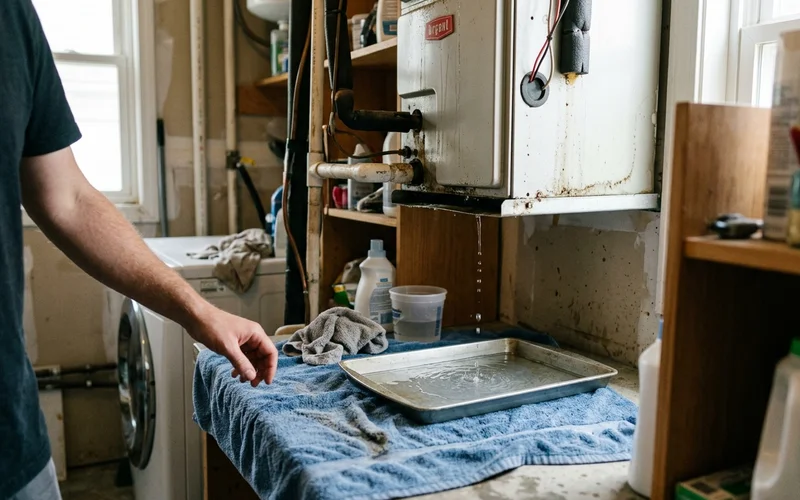
| Time Elapsed | What Happens to Drywall | Recommended Action |
|---|---|---|
| 1 to 2 Hours | Paper facing begins absorbing moisture. | Place pans and dry the surface with towels. |
| 24 to 48 Hours | Gypsum core saturates and weakens. | Set up floor fans to speed up evaporation. |
| 48+ Hours | Drywall bellies under the weight of water. | Clear the room of furniture and people. |
Keep everyone clear of any bulging ceiling spots. The structural integrity fails rapidly once the gypsum core becomes fully saturated.
Step 3: Keep People Cool
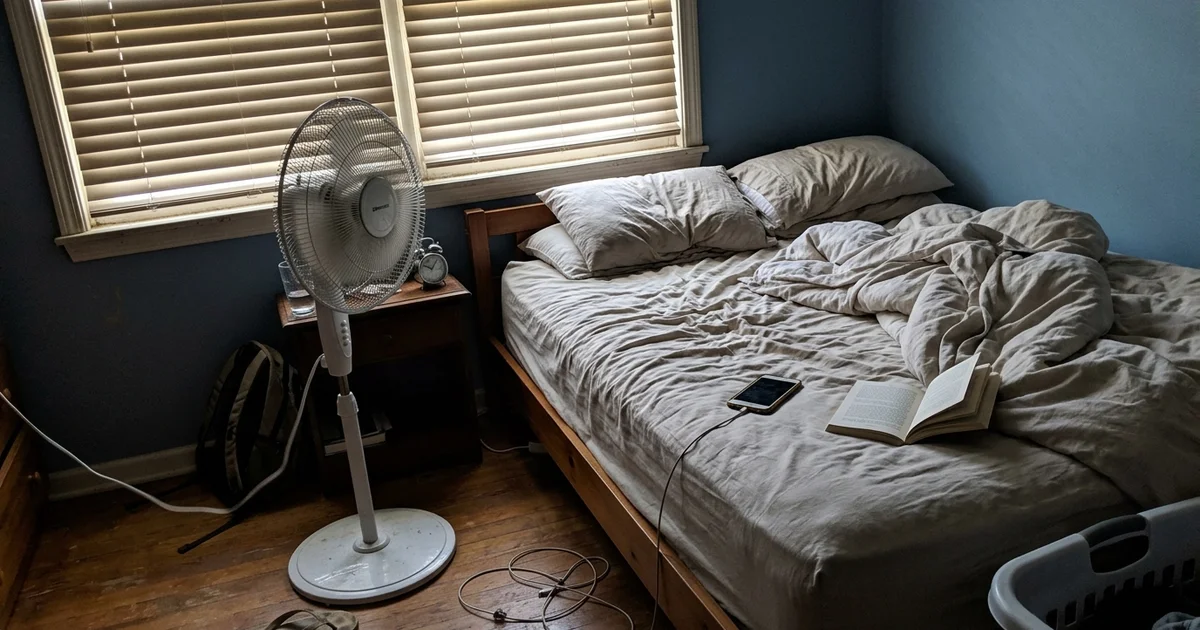
Close your blinds on west-facing windows and run ceiling fans counterclockwise to keep house cool without ac. Picking the coolest room in the house and utilizing portable fans will help prevent heat-related illness. We urge every homeowner to take extreme heat seriously.
The Centers for Disease Control and Prevention reported over 2,400 heat-related deaths nationwide in 2023. Summer temperatures in Daphne hit the 90s regularly, making indoor spaces dangerous without ventilation. Our top priority is keeping your family safe while you wait for a technician.
Immediate Cooling Strategies
- Close all blinds and curtains to block radiant solar heat.
- Run ceiling fans counterclockwise so they push a breeze straight down.
- Avoid turning on the oven or the dryer.
- Grill outside or prepare cold meals like sandwiches and salads.
- Drink plenty of water throughout the day to stay hydrated.
Recognizing Heat Exhaustion
Watch your family members closely for physical distress. Seek immediate medical help or move to an air-conditioned public space if anyone exhibits these CDC warning signs.
- Severe muscle cramps in the legs or abdomen.
- Dizziness, confusion, or sudden nausea.
- Unusually heavy sweating or pale, clammy skin.
- A sudden stop in sweating, which indicates a dangerous heat stroke.
Step 4: Get Ready for the Visit
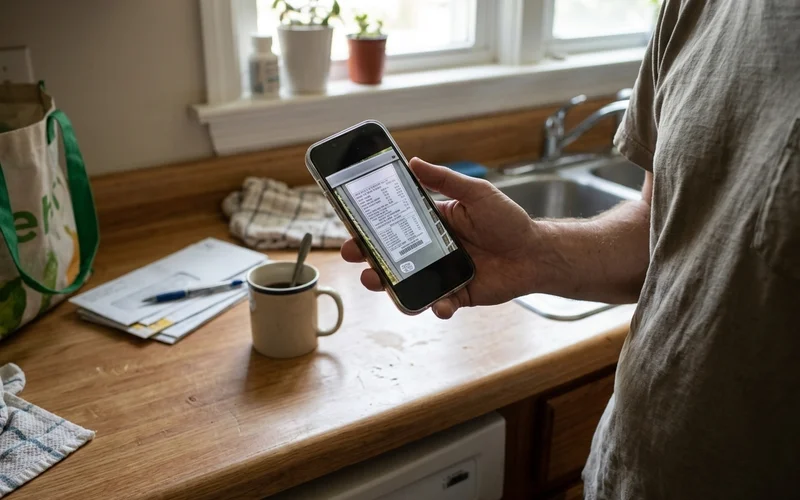
Taking a few minutes to gather your warranty paperwork and clear a path to the equipment makes the diagnostic process much faster. Preparing the work area allows the licensed contractors we connect you with to start troubleshooting the moment they arrive. We suggest writing down a brief list of the symptoms you noticed.
Note the exact time the unit stopped working and any strange smells or noises. This simple log prevents you from forgetting important clues. Our standard advice is to snap a quick photo of the data plate on the outdoor unit.
That metal sticker displays the specific model, the serial number, and the required refrigerant type.
Prep Checklist for Homeowners
- Photograph the data plate: Having the model number ready saves contractors 15 to 30 minutes of searching.
- Document the symptoms: Write down what the system was doing right before it failed.
- List your troubleshooting steps: Note if you already checked the filter, reset the breaker, or changed thermostat batteries.
- Clear a walking path: Move bikes, garden hoses, or boxes away from the outdoor unit and attic access.
- Secure your pets: Keep dogs and cats safely locked in a separate room away from the work zone.
What Not to Do
Do not open the outdoor unit’s electrical panel, touch the capacitor, or attempt to add refrigerant from a store-bought can. Electrical and chemical refrigerant work must be handled exclusively by licensed contractors. We see well-meaning homeowners cause expensive damage by attempting DIY repairs.
The capacitor inside your condenser holds a lethal electrical charge even after the power is cut. Pushing the fan blades with a stick to jump-start the motor can permanently ruin the bearings. The licensed contractors we connect you with frequently encounter ruined compressors because someone overcharged the system with a DIY refrigerant kit.
The Environmental Protection Agency strictly regulates refrigerant handling under Section 608 for critical safety reasons. Never pour anything other than water or plain white vinegar into the condensate drain line.
| DIY Action to Avoid | The Hidden Danger |
|---|---|
| Touching the capacitor | Holds a high-voltage electrical charge. |
| Pushing fan blades | Damages the internal motor bearings. |
| Adding DIY refrigerant | Overcharging blows the expensive compressor. |
| Using harsh drain chemicals | Eats through the PVC condensate pipe. |
If the Wait Runs Long
If you are waiting overnight for a repair, plan to sleep in the coolest room on the lowest floor of your home. You will need a backup plan if your ac broke what to do when a same-day visit is impossible. We know that local contractors get completely booked during the hottest weeks of summer or right after major Gulf storms.
A downstairs room on the north or east side of the house stays naturally cooler than an upstairs bedroom. If you own a portable or window air conditioning unit, install it in the room where your most vulnerable family members will sleep. We recommend running a standalone dehumidifier if you have one available.
Pulling excess moisture out of the air drastically improves your physical comfort and prevents mold growth.
Temporary Survival Tactics
- Relocate during the day: Spend the hottest afternoon hours at the Daphne Public Library or an air-conditioned store.
- Limit indoor heat sources: Cook your meals outside on the grill or eat cold foods to keep the kitchen cool.
- Hydrate your pets: Give dogs and cats plenty of fresh water and let them rest on cool tile floors.
- Block the morning sun: Keep eastern-facing windows completely covered until the sun passes over.
Protecting a Home You’re Not In
If the AC fails at a vacation home or a rental property while you are out of town, ask a neighbor or property manager to intervene. Having a local contact secure the house prevents severe water damage while you are away. We always suggest leaving an access plan and a spare key with someone you trust.
As mentioned earlier, an overflowing condensate pan can saturate a ceiling in just 24 to 48 hours. Instruct your local contact to turn the system off immediately if they spot ice or dripping water. Our advice is to have them place thick towels or buckets under any active drips.
Remote Management Steps
- Ask your contact to open interior doors so stagnant air can circulate freely.
- Have them walk the contractor directly to the indoor and outdoor equipment.
- Provide the dispatch team with your direct cell phone number.
- Keep your phone nearby so the technician can reach you to approve the repair estimate.
When the Contractor Arrives
The technician will ask you a few quick questions about the symptoms before inspecting both the indoor and outdoor units. They will thoroughly test the electrical components and check refrigerant pressures to pinpoint the exact failure. We prioritize transparency, so a reputable professional will always provide a clear, free estimate before starting any actual wrench-turning.
You can review the complete diagnostic process in advance. Our detailed guide to what happens on the service call walks through each step of the visit in depth. Knowing this information ensures you feel completely comfortable from the moment their truck pulls into your driveway.
Waiting for an AC repair is never fun, but taking fast action protects your property and your wallet. Shutting off a damaged system and catching leaks early keeps a bad situation from getting much worse.
“Fast action is the best defense against secondary water damage and expensive compressor failures.”
We hope these practical steps give you peace of mind while help is on the way. Keep your family hydrated, rely on your ceiling fans, and stay out of the afternoon sun.
Our priority is connecting you with fast, reliable relief.
Contact a local HVAC contractor the moment you notice a problem, so a licensed professional can restore your comfort quickly.