
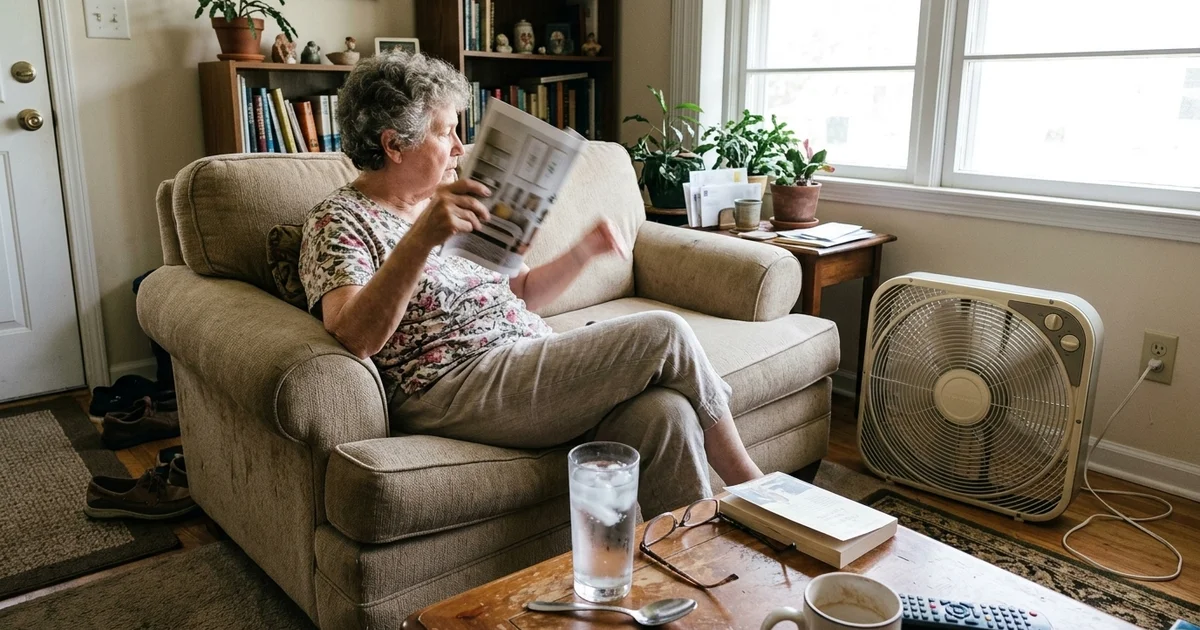
You might be wondering, is a broken AC an emergency?
The failure usually happens right after dinner, leaving you sweating and wondering what to do next.
Our guide to emergency AC repair in Daphne is built around a simple framework.
This framework helps you decide if it is time to call a contractor tonight or wait until morning.
The Question Everyone Asks at 9pm
Deciding whether to pay for an after-hours visit depends entirely on who is in the home, how hot it is getting, and whether there is any risk of property damage. A house that feels slightly warm at 7:00 PM can easily reach unsafe temperatures by midnight.
We see this transition happen quickly during humid Alabama summers. The best approach is to evaluate the facts before panic sets in.
Call Now If Any of These Are True
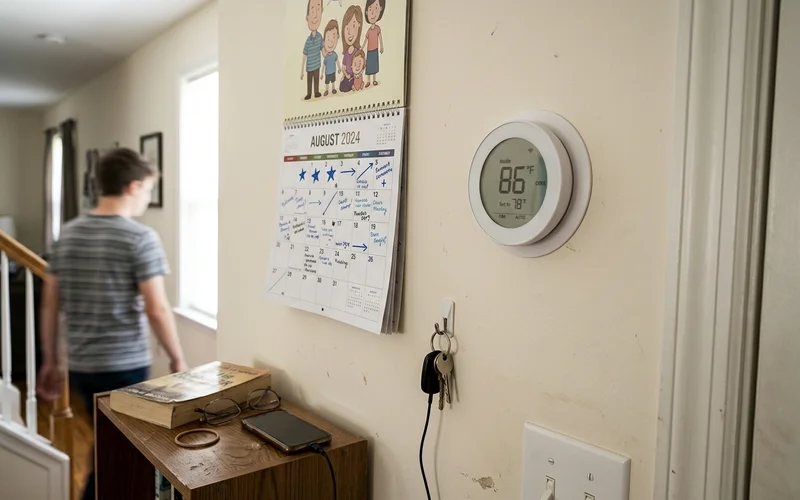
A broken air conditioner is an emergency when indoor temperatures exceed 85°F, someone vulnerable is home, or the system poses a safety risk. You should call for immediate help if you notice any of the urgent warning signs below.
- Someone vulnerable is in the home. The CDC warns that indoor temperatures above 85°F pose severe risks for older adults, infants, and anyone with cardiovascular or kidney conditions.
- Indoor temperature is climbing past the mid-80s. A house that reaches 85°F before bedtime will not drop much overnight.
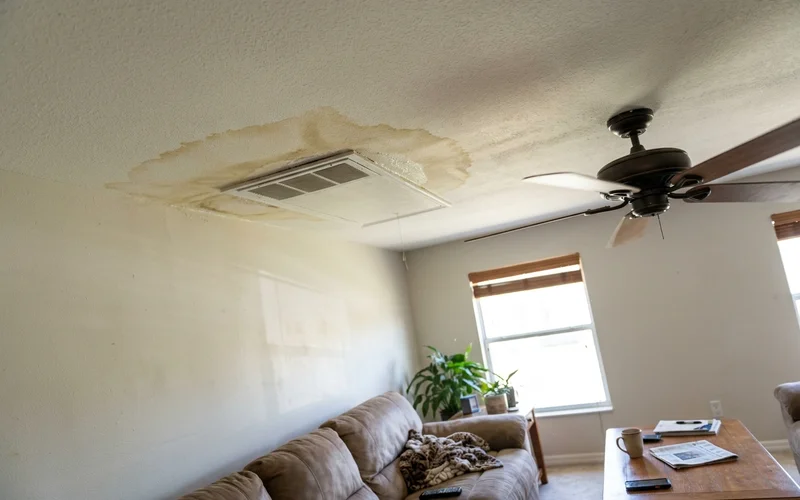
- Water is leaking. Active dripping onto floors, drywall, or through a ceiling requires immediate shutoff to prevent costly water damage.
- You smell burning. A constant buzzing or burning electrical smell from the air handler or outside unit indicates a serious fire hazard.
- The breaker keeps tripping. A breaker that trips again after a single reset points to a dangerous electrical short or a failing compressor.
- Pets are struggling. Brachycephalic (short-nosed) breeds like Pugs, French Bulldogs, and Boxers suffer from restricted airways. These dogs can experience life-threatening heat stroke indoors when temperatures hit just 80°F.
It Can Usually Wait If
You can safely wait until morning to call a contractor if your family is healthy, the house will stay below 80°F, and there are no signs of water or electrical damage. Knowing when to call emergency AC repair often comes down to safety versus comfort.
- Everyone at home is healthy and can stay cool with ceiling fans and cold drinks.
- The evening weather is cooling off outside, keeping the indoor temperature in the upper 70s.
- The system is simply blowing warm air or is completely unresponsive, without any burning smells or active leaks.
- You have a functioning window unit, a portable air conditioner, or a cool basement room for sleeping.
Our advice is to turn the system completely off at the thermostat if it stops cooling. Running a broken unit all night can burn out the compressor or freeze the coils solid.
We recommend calling early the next morning, because summer schedules fill up fast in Baldwin County.
| Situation | Our suggestion |
|---|---|
| Elderly parent at home, house at 85°F | Call now |
| Water dripping through the ceiling | Turn AC off, call now |
| Burning smell from the air handler | Turn system off at the breaker, call now |
| Healthy family, 80°F, mild evening | Call now to book first thing tomorrow |
| AC weak but still cooling somewhat | Book a same-day or next-day visit |
Why Humidity Changes the Math Here
High humidity makes a broken AC a more urgent problem on the Gulf Coast than it is in dry climates. An air conditioner removes moisture while it cools, meaning a dead system allows indoor humidity to spike rapidly.
An air conditioner removes moisture while it cools, so a dead system allows indoor humidity to spike rapidly. The effects happen faster than many people expect.
Our local coastal environment averages 70 to 80 percent humidity during the summer. This moisture traps heat against your skin, making an 80°F house feel much warmer than the thermostat indicates.
Indoor humidity levels can climb past 70 percent within just 24 hours of a system failure. Mold spores thrive at this level, quickly colonizing carpets, closets, and soft furniture.
We always remind homeowners that an outage lasting more than two days carries real property risk, even if everyone feels healthy. Our complete guide on indoor heat risks covers these specific temperature and humidity thresholds in detail.
What to Do While You Decide
A broken air conditioner requires you to manage the indoor temperature until help arrives. Your first step is to turn the unit completely off at the thermostat if it is iced over, leaking, or making strange noises.
Here is what you should do next to protect your home and family:
- Block out the sun. Close all blinds and curtains on the brightest side of the house.
- Keep air moving. Move everyone to the lowest, coolest room and run ceiling fans on high.
- Stay hydrated. Give everyone plenty of cold water to drink.
- Watch for heat exhaustion. Look for dizziness, heavy sweating, nausea, or confusion.
Get anyone showing severe heat symptoms to an air-conditioned space and seek medical help immediately.
Special Situations on the Eastern Shore
Living on the Eastern Shore introduces unique scenarios that change how quickly you should respond to a cooling failure. Empty vacation homes, storm damage, and sensitive medical needs all require a faster reaction time.
Second Homes and Rentals
If you own a property in Point Clear or Fairhope that sits empty, a failed AC will not directly harm anyone. The problem is that humidity builds up for days before a caretaker notices.
We suggest treating a reported failure at an empty home as urgent. Mold spores germinate in less than 48 hours in a hot, humid house. A helpful neighbor or property manager can often let your local HVAC contractor inside to fix the issue quickly.
During Hurricane Season
Demand for AC repair spikes dramatically right after a tropical storm passes through. Power outages might still be rolling across Baldwin County.
Keep these post-storm rules in mind before calling for service:
- Call early to get your name on a schedule if your house is safe.
- Never restart an outdoor unit that was submerged in floodwater.
- Check your breaker panel for tripped switches before assuming the unit is broken.
Home Medical Equipment
Certain medical devices generate heat or require a cool environment to function properly. Heat affects both the patient and the equipment if someone in your home uses oxygen concentrators or a CPAP machine.
We ask that you clearly mention these medical devices when you call for service. This helps the dispatcher understand the true urgency of the situation.
New Babies
Infants lack the ability to regulate their own body temperature efficiently. A room that feels slightly warm to an adult can be dangerous for a baby. You must treat the situation as an emergency if the nursery temperature climbs past the low 80s.
What It Costs to Wait vs Call Now
Waiting for regular business hours saves you money, but calling for emergency service protects your health and home when conditions are dangerous. The cost difference comes down to standard versus after-hours labor rates.
Recent 2026 pricing data for Alabama shows a clear difference in fees depending on when the contractor arrives.
| Service Type | Typical 2026 Diagnostic Fee | Best For |
|---|---|---|
| Regular Hours | $75 - $100 | Mild temperatures, healthy family |
| Emergency After-Hours | $150 - $300 | High heat, health risks, water damage |
We know that emergency after-hours fees are higher, as this premium covers the technician’s overtime pay and immediate dispatch.
The extra expense is entirely worth it when someone’s health is at risk or water is dripping through your ceiling. It is rarely worth the premium if your family is healthy, the house is under 80°F, and the system is simply blowing warm air.
One Call Covers Both Options
Whether you are facing an AC emergency or a simple repair that can wait, the first step is exactly the same. Call now at (251) 850-5502 to get the process started.
Please describe the exact problem, the current indoor temperature, and your town.
We will connect you with a licensed, insured contractor who can respond tonight if available, or first thing tomorrow morning. You always receive a clear, free estimate from the contractor before any repairs begin, and there is no referral fee.