
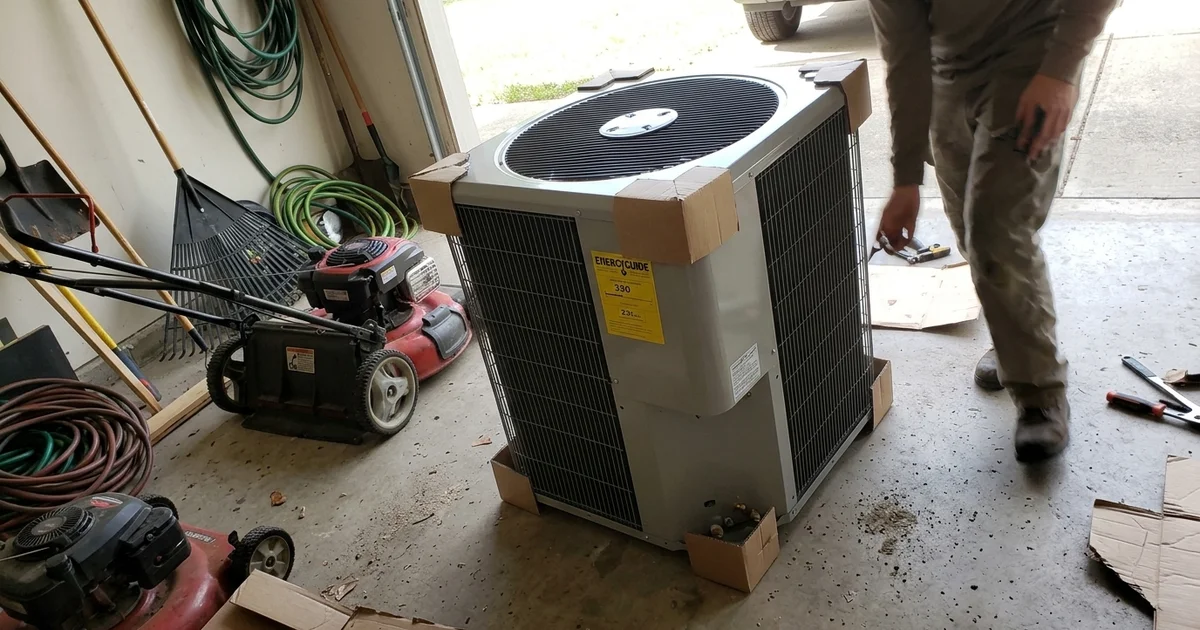
What SEER2 Measures
We know the Seasonal Energy Efficiency Ratio 2, known as SEER2, is simply the current federal standard measuring how much cooling a system delivers per watt of electricity.
A higher SEER2 score equals lower monthly energy costs. Finding the correct SEER2 rating Alabama regulations require is critical for a legal installation.
Our goal is to explain exactly what these efficiency metrics mean for your coastal property. Getting pricing for a full AC replacement means encountering a maze of unfamiliar acronyms.
You will also see an EER2 rating on your paperwork, which tests performance during a 95-degree Fahrenheit afternoon. We suggest looking closely at EER2 since Gulf Coast summers spend so many hours at peak heat. Let’s look at the data, what it’s actually telling us, and explore a few practical ways to respond when comparing equipment. These efficiency numbers directly dictate your future utility costs.
SEER vs SEER2
We always explain that SEER2 replaces the old SEER rating by using a stricter, more realistic laboratory test to measure efficiency. The new SEER2 test raises the external static pressure to 0.5 inches of water column to simulate actual field ductwork conditions.
This change means the resulting efficiency numbers come out about five percent lower for the exact same physical equipment. Our local experience confirms that a system rated 16 SEER under the old standard is rated roughly 15.2 SEER2 today.
| Old SEER Rating | Approximate SEER2 Equivalent |
|---|---|
| 14 SEER | 13.4 SEER2 |
| 15 SEER | 14.3 SEER2 |
| 16 SEER | 15.2 SEER2 |
| 18 SEER | 17 to 17.5 SEER2 |
| 20 SEER | 19 SEER2 |
You are getting a more honest prediction of how the unit will actually perform in your house. We want to assure you that a new 15.2 SEER2 unit is not weaker than an older 16 SEER unit. It is exactly the same efficiency measured on a stricter scale. The numbers simply look smaller on the new yellow energy stickers.
The Southeast Minimum
We monitor federal Department of Energy regulations to ensure local installations meet the mandatory 14.3 SEER2 minimum for most residential air conditioners. Alabama sits squarely in the Southeast enforcement region, making this minimum a strict legal requirement.
The exact minimum SEER2 Southeast standards demand depend on the size of the equipment:
- Under 45,000 BTUs: Requires a 14.3 SEER2 rating for legal installation.
- 45,000 BTUs and Larger: Requires a slightly lower 13.8 SEER2 rating.
We must point out that heat pumps require a 14.3 SEER2 rating regardless of their cooling capacity. Northern states enforce lower cooling standards, which explains why you might find cheaper, non-compliant 13.4 SEER2 units advertised online.
The licensed contractors we connect you with will verify that every piece of quoted equipment qualifies for legal use in Baldwin County. Compliance checks happen during the quoting process before any physical work begins.
How Efficiency Shows Up on Your Bill
We see that moving from an outdated 10 SEER system to a modern 15.2 SEER2 unit can cut your cooling energy consumption by a third or more. Eastern Shore residential air conditioners run heavily for about nine months out of the year, making these efficiency differences highly visible on your power bill.
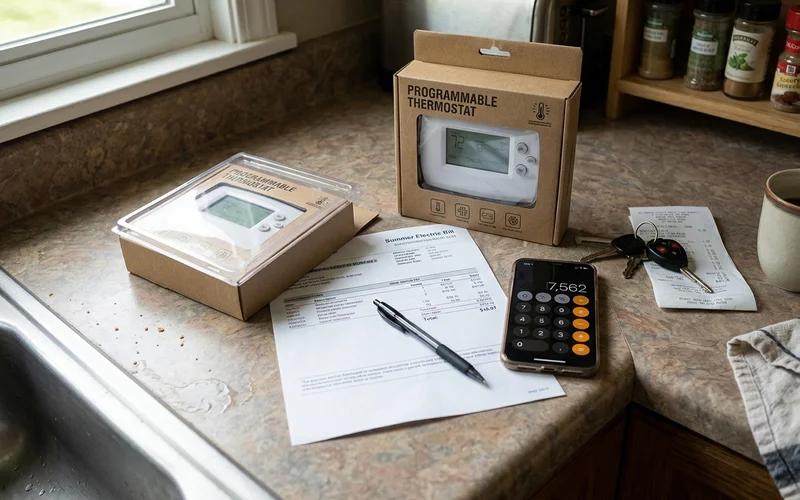
Extended runtime means a high-efficiency system pays for itself much faster here than it would in a cooler northern climate. Our financial analysis of local utility rates reveals a few critical truths about these upgrades:
- Fast Payback on Baseline Upgrades: Jumping from an old 10 SEER to the new 14.3 SEER2 minimum usually pays for itself in just a few years.
- Diminishing Returns on Premium Tiers: Stepping up from 16 SEER2 to 20 SEER2 saves less money per dollar spent upfront.
- Time Horizon Matters: High-tier systems make sense if you plan to stay in the home for a decade.
- Defending Against Rate Hikes: A unit that uses 15% less power cancels out a 15% increase in your kilowatt-hour utility rate.
You should always compare the extra upfront purchase cost to the estimated yearly utility savings provided by your local HVAC contractor. We strongly suggest evaluating your long-term housing plans before committing to ultra-premium equipment. Buying top-tier efficiency rarely makes financial sense if you intend to move next year. The return on investment requires staying in the home for at least five to seven years.
Compressor Stages
We always explain that a high SEER2 rating requires an advanced two-stage or variable-speed compressor inside the outdoor cabinet. The compressor dictates how the system distributes cooling and manages thick Alabama moisture across different operating speeds.
Here are the three primary options you will encounter:
- Single-stage: These turn on at full blast and turn off completely. They represent the lowest upfront cost and usually sit near the minimum 14.3 SEER2 requirement.
- Two-stage: These run at a lower, quieter stage about 80% of the time, reserving high gear for the hottest 95-degree afternoons. They offer better humidity control and mid-range efficiency.
- Variable-speed (inverter): These compressors adjust output in tiny increments between 25% and 100% capacity. They achieve the highest SEER2 ratings, cost the most, and operate almost silently.
Variable-speed systems offer a massive hidden benefit for muggy Daphne and Loxley properties.
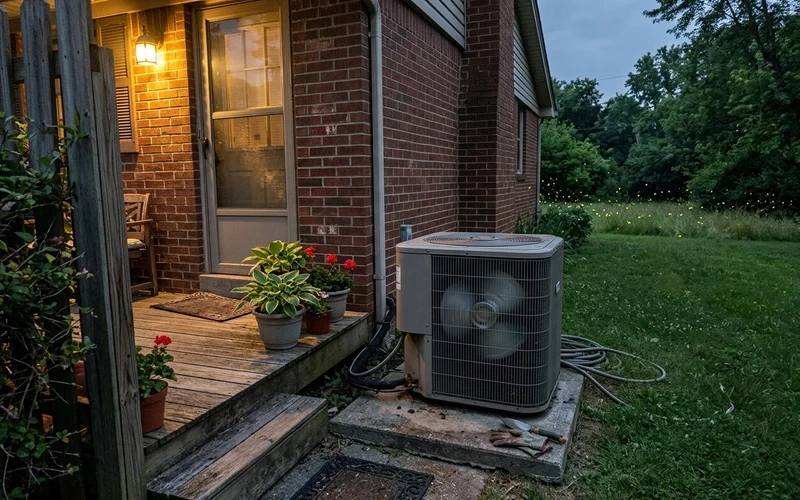
Long, slow cooling cycles give the evaporator coil more time to pull gallons of latent moisture out of the indoor air. Communicating variable-speed systems actively read your indoor humidity levels and adjust airflow to target a comfortable 45 to 55 percent relative humidity.
Our preferred setup for coastal homes prioritizes this moisture removal capability just as highly as the raw SEER2 score. An oversized single-stage unit will cool the house too fast and shut off, leaving the rooms feeling cold but distinctly clammy. This creates a highly uncomfortable indoor environment during July and August.
Ratings Depend on a Matched System
Keep in mind that a SEER2 rating is completely invalid unless the new outdoor condenser is perfectly matched with a compatible indoor coil. Mixing brand new exterior equipment with a ten-year-old indoor component creates severe performance and compliance issues.
The federal standard judges legal compliance based on the least efficient combination of paired components. Our local network confirms that mismatched systems routinely fail to deliver the efficiency printed on the yellow energy sticker.
- Lost Efficiency: The system cannot properly compress and expand refrigerant across mismatched coils.
- Compliance Failures: An invalid match might be illegally inefficient under current Southeast minimums.
- Premature Breakdowns: Forcing a new inverter compressor to work with an obsolete coil increases strain and shortens equipment life.
You should request the AHRI (Air-Conditioning, Heating, and Refrigeration Institute) certificate number for the exact equipment combination quoted. We consider this one-page document your only concrete proof that the matched system meets the promised efficiency standards. It protects your investment and ensures you actually get the energy savings you are paying for. Verifying this match prevents expensive headaches down the road.
What Else Affects Real-World Efficiency
We always remind residents that real-world efficiency is dictated just as much by your home’s ductwork and installation quality as the factory SEER2 rating. The number on the manufacturer label is recorded in a pristine, climate-controlled laboratory, not a hot attic.
A mid-tier 15.2 SEER2 system installed perfectly will easily outperform a premium 20 SEER2 system installed poorly. Our field research shows five major household variables that drag down cooling performance:
- Ductwork Leaks: Unsealed attic ducts sitting in 130-degree Gulf Coast heat can waste up to 30 percent of the cooling your system produces.
- Poor Installation Quality: Incorrect refrigerant charging or inadequate vacuum evacuation ruins efficiency from day one.
- Incorrect Sizing: An oversized, high-efficiency AC will short cycle, destroying its ability to remove humidity and wasting heavy startup power.
- Thermostat Habits: Pushing the setpoint down to 68 degrees offsets the savings of a new, efficient motor entirely.
- Deferred Maintenance: A dirty, salt-crusted outdoor coil blocks heat transfer and forces the compressor to work twice as hard.
Your local HVAC contractor should perform a thorough duct inspection before installing a new central air unit. Sealing those air leaks offers a faster path to lower utility bills than buying an expensive premium compressor.
We consider routine annual maintenance the best defense against efficiency loss over time. Keeping the outdoor condenser coils clean ensures the unit operates exactly as the engineers intended. Regular service prevents minor dirt buildup from escalating into major power loss.
Heat Pumps: HSPF2 Too
We want heat pump buyers to know they must look at a second efficiency metric called HSPF2, which measures heating efficiency over a full winter season. All new split-system heat pumps installed in our region must meet a federal minimum of 7.5 HSPF2.
This heating metric is tested under the same strict M1 laboratory conditions as the SEER2 cooling standards.
| System Type | Primary Cooling Metric | Primary Heating Metric | Southeast Minimums (2026) |
|---|---|---|---|
| Central Air Conditioner | SEER2 | N/A (Gas/Electric Furnace) | 14.3 SEER2 |
| Electric Heat Pump | SEER2 | HSPF2 | 14.3 SEER2 / 7.5 HSPF2 |
Our mild Eastern Shore winters mean your summer SEER2 rating still dictates the bulk of your annual utility spending. However, a strong heating rating provides major value during chilly January weeks by preventing expensive backup electric heat strips from turning on.
Higher HSPF2 scores can also help you qualify for utility rebates. The federal 25C tax credit for heat pumps ended on December 31, 2025, so check current utility programs instead. Your local HVAC contractor can tell you which models qualify during the quote.
Weighing the Choice
We know that deciding on the right SEER2 rating comes down to balancing long-term savings against your immediate budget. Higher efficiency systems inevitably demand a larger upfront investment.
The comprehensive replacement cost guide on this site breaks down these specific price drivers in detail. Our dedicated local phone line, (251) 850-5502, connects you directly with professionals who can explain these options.
You should ask the licensed contractor to price a baseline 14.3 SEER2 unit right next to a premium 16 SEER2 unit.
Comparing the numbers side-by-side reveals exactly how many years it takes for the upgraded efficiency to pay off. We encourage you to call today, get your questions answered, and schedule a completely free installation estimate. This direct conversation ensures you make a confident, informed decision. The estimate is completely free.