
What Does It Mean When the AC Runs but Won’t Cool?
We hear this cooling complaint constantly during Eastern Shore summers.
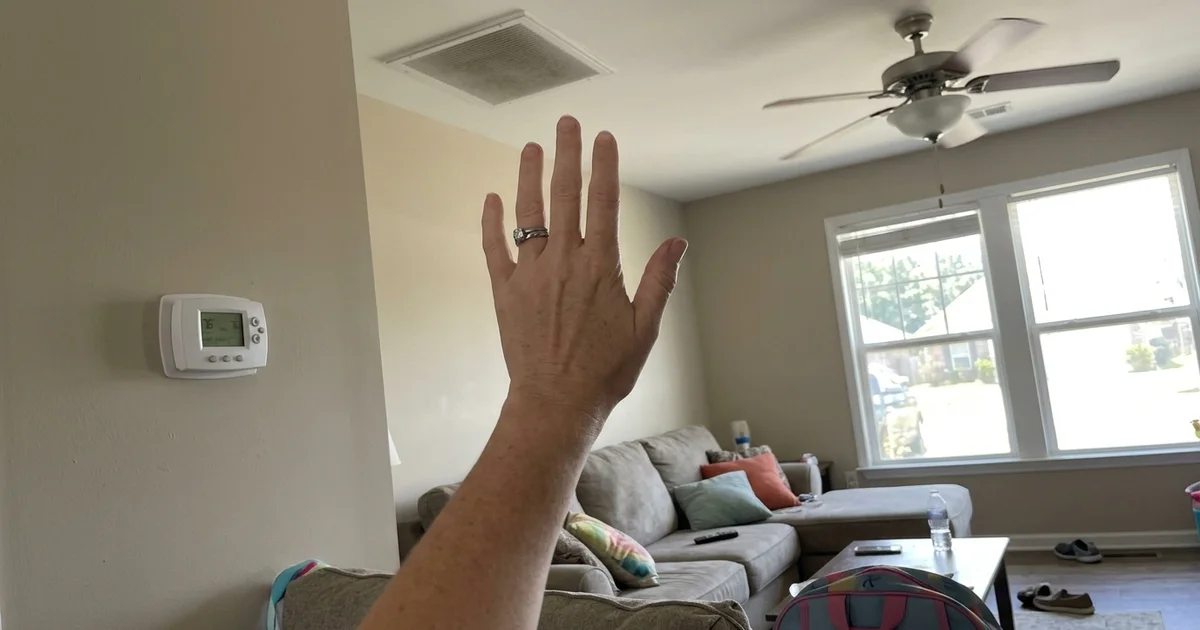
If the fan is blowing but the air coming out of the vents feels warm, your AC has a heat-moving problem. The system is running, but it cannot pull heat out of the house and dump it outside.
Our local call data shows this usually happens on the hottest, most humid days when a weak system finally fails. Some causes are simple fixes you can check yourself before paying a diagnostic fee.
Other issues require the attention of a licensed professional. We maintain an AC repair in Daphne line that connects you directly with an insured contractor who serves your specific town.
Try these first
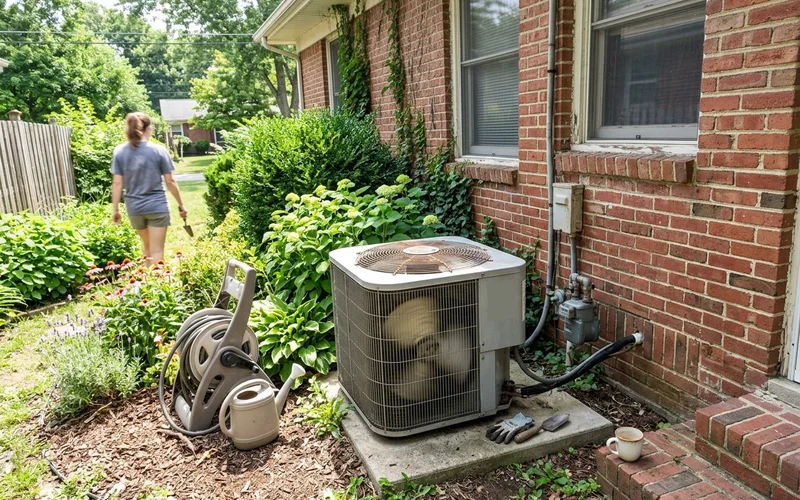
Check that the thermostat is on Cool with the setpoint below room temperature. Inspect the air filter for dust buildup. Look at the breaker panel to see if anything tripped. Then walk outside and verify whether the outdoor unit’s fan is spinning.
Quick Checks You Can Do Safely
A blank screen or a tripped breaker often mimics a major system failure. You can safely inspect your thermostat, air filter, and electrical panel before scheduling a service call.
Our network of professionals recommends checking these basic components first to save time and money. Performing these quick inspections helps you communicate clearly with the dispatcher later.
Thermostat Settings
Make sure the device is actually calling for cooling. Look for these three specific details:
- Check for a blank digital screen.
- Verify the system switch is on Cool, not Fan or Heat.
- Confirm the temperature setpoint is below the current room temperature.
A thermostat set to fan “On” blows room-temperature air between cooling cycles, which makes it feel like the AC is broken. Replace the batteries immediately if the screen remains completely blank.
Air Filter Inspection
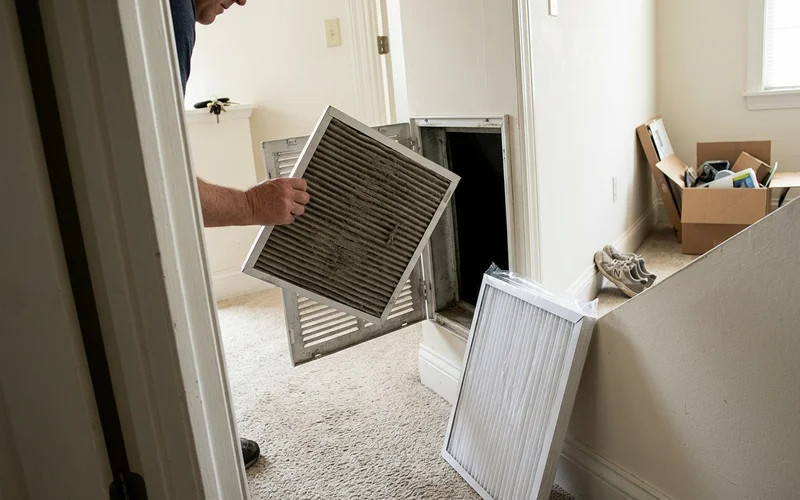
A clogged filter severely chokes airflow across the indoor coil. The result is your ac not cooling house efficiently, and in bad cases the evaporator coil freezes solid.
We suggest replacing the filter immediately if it looks gray and caked with dust. According to the Department of Energy, swapping a dirty filter for a clean one lowers air conditioner energy consumption by 5 to 15 percent.
Electrical Breakers
Central AC systems typically rely on two separate electrical breakers. One controls the indoor air handler, and the other powers the outdoor unit.
Follow these steps if you suspect a power issue:
- Locate your main electrical panel.
- Find the dedicated breaker for the outdoor condenser.
- Push the switch fully off before resetting it to the on position.
The indoor fan still runs, resulting in your ac blowing warm air, if the outdoor breaker trips. Reset a tripped breaker exactly one time. Leave the switch off and call for help if it trips again.
Outdoor Unit Status
The outdoor fan should spin rapidly when the system calls for cooling. You should also feel warm air blowing up out of the top grate.
Our dispatchers often hear about silent fans making a loud humming noise. This specific sound usually points straight to a failed capacitor. Do not poke the fan blades or open the electrical panel yourself.
The Usual Causes on the Gulf Coast
Component wear and harsh coastal conditions cause most cooling failures. Failed capacitors, low refrigerant, and salt-clogged coils are the most frequent culprits in this region.
We see these exact same part failures repeatedly throughout July and August. Understanding the common culprits helps you prepare for the contractor’s diagnosis.
| What you notice | Likely cause | Who fixes it |
|---|---|---|
| Outdoor unit hums, fan stays still | Failed capacitor or contactor | Licensed contractor |
| Ice on the copper line or indoor coil | Low refrigerant or restricted airflow | Contractor (after thawing) |
| Air slightly cool, never cold | Low refrigerant from a leak | Licensed contractor |
| Outdoor coil caked with dirt or salt | Dirty or corroded condenser coil | Contractor cleaning |
| Indoor fan runs, outdoor unit dead | Tripped breaker or float switch | Homeowner check, then contractor |
Failed Capacitors
The dual run capacitor starts the compressor and the outdoor fan motor. Heat, age, and power surges from summer thunderstorms wear these cylindrical parts out quickly.
Standard residential capacitors hold 35 to 55 microfarads of electrical charge to jumpstart the motors. A dead capacitor is the single most common reason an Eastern Shore AC stops cooling.
Low Refrigerant Levels
Refrigerant circulates through your equipment in a completely sealed loop. A low charge always means you have a physical leak somewhere in the copper lines.
We know from experience that low refrigerant causes weak cooling and poor humidity control. This pressure drop often leads directly to a frozen AC coil.
Dirty or Salt-Crusted Coils
The condenser coil must shed the heat pulled from inside your house. Several local elements actively block this crucial heat transfer:
- Spring tree pollen.
- Fresh grass clippings.
- Corrosive salt spray from Mobile Bay.
A dirty coil pushes system pressures dangerously high on a 95°F afternoon. These high pressures will eventually trip the system’s safety shutoff switches.
Frozen Evaporator Coils
Low airflow or low refrigerant drops the temperature of the indoor coil below freezing. The condensation on the metal fins freezes into a solid block of ice.
The blower fan keeps running, but it only moves air across this ice block. You will feel barely cool air coming from the vents until the ice melts entirely.
Why Hot, Humid Days Expose Weak Systems
High humidity forces your equipment to work twice as hard to maintain comfort. On the Gulf Coast, your AC removes both heat and moisture from the indoor air.
We see breakdown volumes spike dramatically when the dew point climbs into the 70s. A big share of the system’s cooling capacity goes entirely toward pulling water out of the air.
Weather Fact: A system slightly low on refrigerant might function perfectly in May but fail completely during August humidity.
These struggling units usually fall behind during the first week of 95°F heat with extreme humidity. This specific weather pattern explains why so many no-cooling calls flood local contractors on the exact same summer days.
Mistakes That Make It Worse
Improper DIY fixes often turn minor repairs into expensive equipment replacements. You should avoid adjusting the thermostat drastically or adding unapproved chemicals to the system.
Our primary goal is helping you avoid actions that permanently damage your compressor. Avoid these common reactions when your house starts feeling warm:
- Turning the thermostat way down. Setting the dial to 60°F does not make the AC cool faster. It just makes the system run longer. This extra running time can freeze a struggling coil solid.
- Buying a can of refrigerant. Store-bought refrigerant kits are manufactured for cars, not home central systems. Adding the wrong refrigerant, or adding any chemical without fixing the leak, damages the compressor and voids the warranty. The Alabama Board of Heating, Air Conditioning, and Refrigeration Contractors requires residential refrigerant work to stay with licensed professionals.
- Hosing down a running unit. Rinsing the outdoor coil is good basic maintenance, but you must do it with the power turned off. Spraying water into a running unit’s electrical compartment is a severe shock hazard.
- Resetting the breaker over and over. One single reset is perfectly fine. Continuous tripping means a wire is shorting out or a motor is actively overheating.
- Waiting a week to see if it improves. A system running low on charge or dealing with a weak capacitor rarely fixes itself. The situation usually gets much worse on the next hot afternoon, and a small electrical repair can become a complete compressor replacement.
What Homeowners in Daphne Usually Find
A failed capacitor, a clogged filter, or a slow refrigerant leak are the most common answers to why your ac running but not cooling is a frequent complaint.
We track local repair trends across the Eastern Shore every single summer. Homes close to Mobile Bay frequently add salt-crusted outdoor coils to that common repair list. None of these situations are unusual, and all of them are routine for a licensed contractor to diagnose.
Knowing exactly what you have already checked helps the person on the phone. This specific information helps the contractor arrive with the right diagnostic tools and replacement parts.
When to Call a Licensed Contractor
Professional help is necessary when simple visual checks fail to restore your cool air. We remind homeowners that Alabama law restricts refrigerant and high-voltage electrical work to licensed contractors only.
Call for a professional diagnosis if you notice any of these warning signs:
- Ice forming on the copper lines.
- Loud electrical buzzing from the condenser.
- A burning smell near the indoor air handler.
- A breaker that trips repeatedly.
Tell the dispatcher exactly what you have checked and provide your specific town when you call (251) 850-5502. We will connect you with a licensed, insured HVAC contractor who can often come out the exact same day.
The technician will diagnose the system and give you a free, transparent estimate before starting any repair. You can request a callback if you prefer not to wait on hold, though phoning directly is much faster.