
Cool but Clammy
We know this is a familiar complaint along the Gulf Coast.
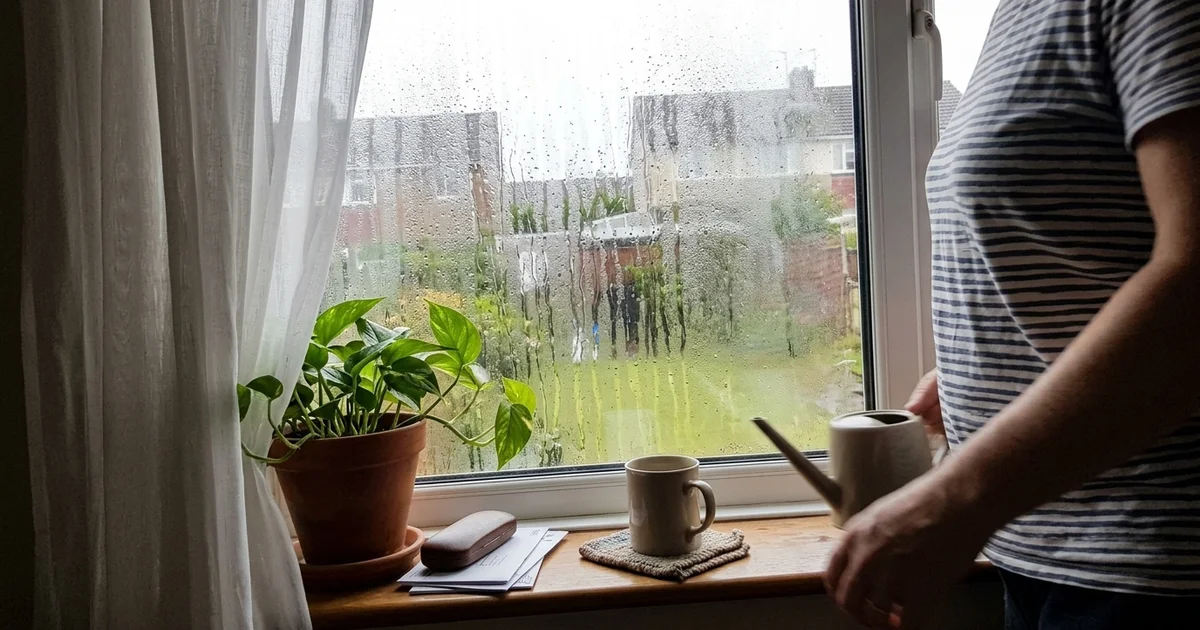
The thermostat says 74°F, but the house feels sticky. Your sheets feel damp, and there is a faint musty smell in the air.
Our platform helps homeowners in Daphne, Fairhope, and Spanish Fort address this exact issue.
Your air conditioner is cooling the home, but it isn’t drying the air enough.
The good news is that the causes behind a clammy house are well understood. Most of these moisture issues have a straightforward fix.
For hands-on help, our humidity control in Daphne line connects you with a licensed contractor. A professional can identify exactly why your house is still humid with the AC on.
Why Humidity Matters
Comfort depends on moisture control as much as temperature. At 50 percent humidity, a 76°F room feels perfectly fine. At 65 percent humidity, that exact same temperature feels muggy.
You end up turning the thermostat down, and the utility bill goes up. We point out that long stretches above 60 percent humidity also feed mold and dust mites.
A recent University of Alabama climate report noted that August 2026 was the most humid on record for the state, with an average dewpoint hitting 72.9°F. That heavy outdoor moisture makes indoor climate control much harder. A cheap digital hygrometer tells you exactly where you stand, so aim for an indoor target range of 45 to 55 percent.
Cause 1: The Fan Is Set to On
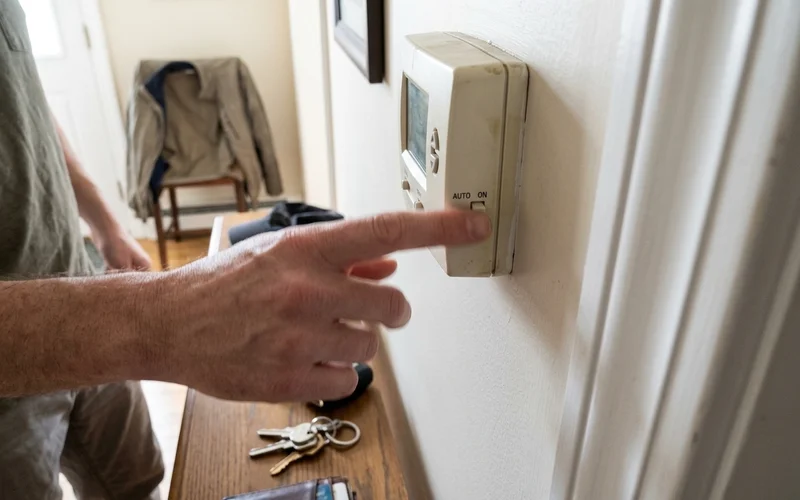
When the AC runs, water collects on the indoor coil and drips to the drain. If the fan keeps blowing after the compressor stops, it evaporates that water right back into your house.
We suggest checking this setting first because it is completely free to fix. Switch the fan to Auto.
This adjustment allows the moisture to drain away outside instead of circulating back through the vents. It often makes a noticeable difference in your comfort within a single day.
Cause 2: The AC Is Oversized
An oversized system cools the house quickly and shuts off early, resulting in the AC not removing humidity effectively. Short runs, cold blasts, and clammy air in between are the classic signs.
Our guide on short cycling covers this mechanical issue in detail. This is a widespread sizing problem across the region. The Air Conditioning Contractors of America (ACCA) estimates that the average HVAC system in the U.S. is 1.5 to 2 times larger than necessary.
Watch for these signs of an oversized AC:
- Cooling cycles that last less than 10 minutes
- Wild temperature swings between rooms
- Cold air blasts followed by muggy conditions
We recommend correct sizing at replacement time as the best long-term fix. In the meantime, a whole-house dehumidifier or a slower blower speed can help manage the excess moisture.
Cause 3: Leaky Ducts Pulling in Attic Air
Most Eastern Shore homes have ducts located in the attic. A leak on the return side sucks in hot, wet attic air and sends it straight through the system.
We want to highlight how much efficiency is lost through these hidden gaps. The U.S. Environmental Protection Agency’s ENERGY STAR program reports that a typical house loses 20 to 30 percent of the air moving through its duct system due to leaks.
Leaky supply ducts also make the house slightly negative in pressure. This imbalance pulls in humid outdoor air through cracks around windows and doors.
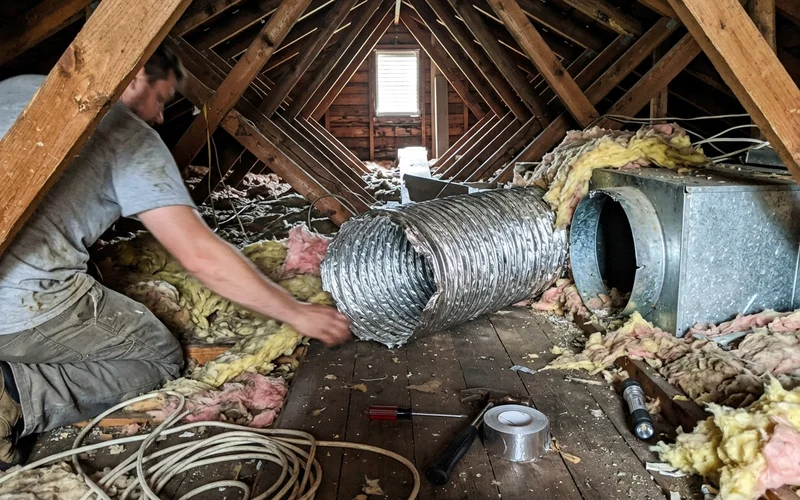
Fixing these leaks stops the unwanted moisture infiltration. Sealing the ductwork ensures your AC cools the air inside rather than battling the heat from the attic.
Cause 4: Mild, Muggy Weather
On a 78°F, rainy day with a dew point in the 70s, the house does not need much cooling. The AC barely runs, but the indoor air remains full of moisture.
We experience plenty of these exact conditions during spring and fall on the Eastern Shore. The thermostat is completely satisfied by the mild temperature, so the cooling cycle stays off.
No AC setting fully solves this specific weather challenge. A dedicated dehumidifier does the heavy lifting when the air conditioner rests.
Other Causes
Several hidden factors can keep your house feeling damp. We suggest looking into these secondary issues if the primary fixes do not work. Addressing these smaller problems often makes a huge impact on your home comfort.
- Blower speed set too high: Moving air too fast across the coil prevents effective moisture removal in humid climates.
- Dirty coil or low refrigerant: Both issues reduce the system’s ability to extract heat and moisture from the air.
- Improper exhaust fans: Bathroom and kitchen exhaust fans that are not used or not vented completely outside trap moisture indoors.
- Crawlspace moisture: Raised homes without proper vapor barriers allow ground moisture to rise into the living space.
Fixes, From Free to Bigger
Finding the right solution depends on the source of the problem and your budget. We organized the most effective options based on their upfront cost and impact. Reviewing these choices helps you plan the best approach for your home.
| Fix | Cost level | Helps with |
|---|---|---|
| Fan to Auto | Free | Re-evaporation |
| Use exhaust fans | Free | Shower and cooking moisture |
| Lower blower speed (contractor) | Low | Longer coil contact |
| Coil cleaning, charge check | Low to moderate | Better moisture removal |
| Duct sealing | Moderate | Attic air infiltration |
| Whole-home dehumidifier | Larger | Mild muggy days, oversizing |
| Right-sized, variable-speed system | Largest | Everything |
A whole-home dehumidifier is often the most reliable fix for homes that stay clammy after the basics. This unit works independently of the cooling cycle to pull moisture out of the air.
Raised and Coastal Homes Have Extra Moisture Sources
Many Eastern Shore homes are raised, featuring crawlspaces or open space underneath. Humid air under the floor can move up into the house through tiny gaps around plumbing and wiring.
We recognize that this chimney effect heavily impacts properties near the water in Montrose and Malbis. A thick vapor barrier on the crawlspace floor stops ground moisture at the source.
Sealed vents in some cases, along with sealing floor penetrations, can make a real difference. Homes right on the water also see more humid outdoor air slipping in through older windows and doors. Simple weatherstripping helps block this coastal moisture from entering the house.
Signs You’ve Fixed It
After making changes to your system or home envelope, give it a week to stabilize. We suggest monitoring the indoor environment closely during this adjustment period. You should start seeing physical changes in how the house feels and smells.
Watch for these positive indicators:
- Indoor humidity holding steady between 45 and 55 percent on a hygrometer.
- No condensation forming on windows, mirrors, or metal AC vents.
- Musty smells fading completely from closets and bathrooms.
- Feeling totally comfortable at a higher thermostat setting than before.
- Longer, steadier AC cycles instead of quick on and off bursts.
If humidity is still high after the simple fixes, the problem is usually sizing, ductwork, or weather that the AC alone cannot handle. A licensed contractor can help you choose between duct sealing, system adjustments, and a dehumidifier.
Getting It Diagnosed
Call (251) 850-5502 to get professional help with your indoor air quality. We connect you directly with a local expert who understands Gulf Coast humidity.
A licensed contractor can measure humidity, check fan settings, and verify your blower speed. They will test the ducts and recommend the exact right fix for your situation.
You receive a free estimate before any work begins. Reach out today to stop dealing with a house that feels sticky and clammy.