
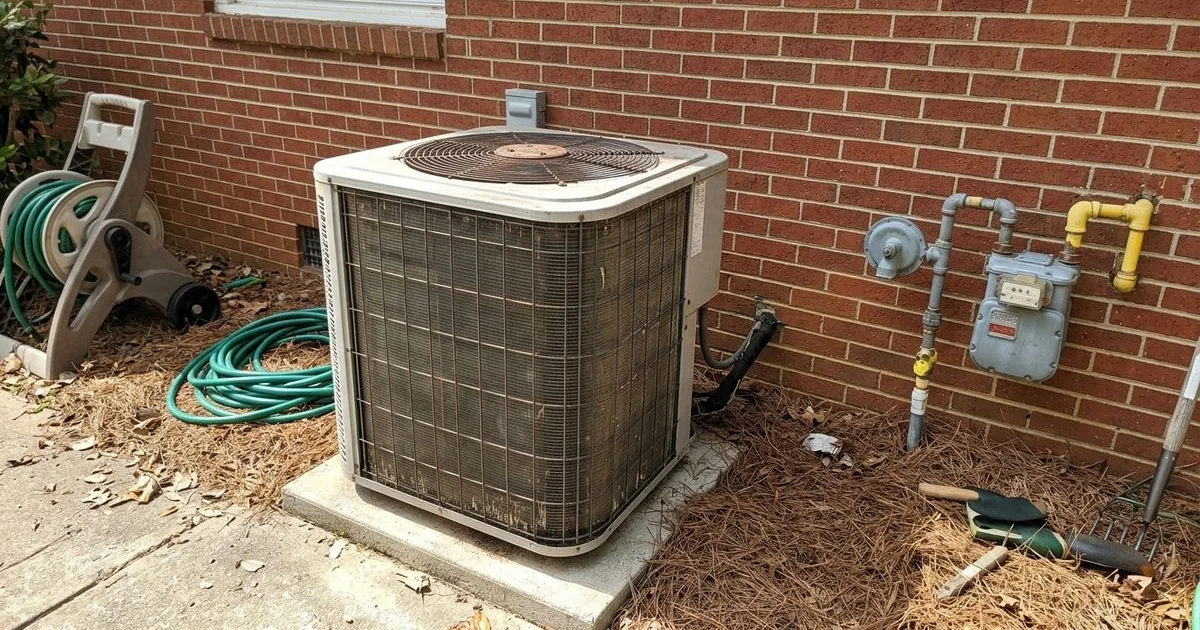
We know that replacing an aging HVAC system forces a major decision for any homeowner on the Eastern Shore. The choice between a heat pump and a central AC paired with a gas furnace dictates your comfort and energy bills for the next fifteen years.
Our connection line fields calls from homeowners struggling to pick between these two primary options or a blended dual-fuel setup. Whichever system currently heats your home, fast heat pump repair and reliable furnace repair are both available through our line today.
A review of local utility rates and weather patterns reveals exactly which setup makes the most sense for your property.
The Choice at Replacement Time
A heat pump handles both heating and cooling in a single electric unit, while the alternative setup separates the workload between an outdoor AC and an indoor gas furnace. Our data shows that Eastern Shore homes overwhelmingly favor heat pumps due to the mild coastal winters.
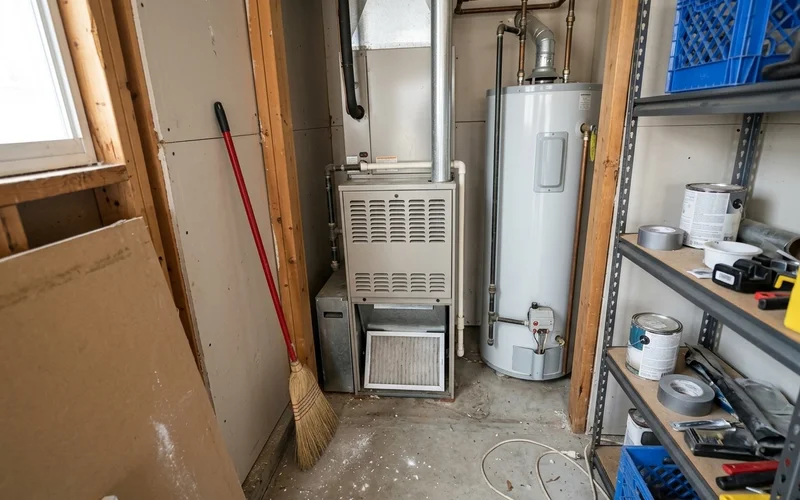
A traditional furnace relies on combustible fuel like natural gas or propane to generate heat. Riviera Utilities supplies natural gas to many neighborhoods in Daphne and Fairhope, making this a viable path for some properties.
We help you understand these three primary choices before the contractor arrives.
- Electric heat pumps: These units move heat rather than generate it, using backup electric strips for rare freezing nights.
- AC with a gas furnace: The outdoor AC unit cools in summer, and the indoor gas furnace takes over entirely during winter.
- Dual fuel systems: This hybrid approach uses a heat pump for mild cold and a gas furnace for severe drops in temperature.
Why Climate Matters: The Balance Point

The balance point is the specific outdoor temperature where a heat pump can no longer efficiently warm your home on its own. Our data confirms this physical limit occurs for most modern systems when the temperature drops into the low 30s.
Average January low temperatures in Daphne and Fairhope hover around 42 degrees Fahrenheit. These mild conditions sit well above the typical system balance point.
We recognize that our coastal climate rarely sustains freezing temperatures for more than a few hours. Short freezes mean the backup electric heat strips only activate briefly, keeping your winter electric bills manageable.
Side by Side
Comparing these systems side by side reveals distinct differences in equipment lifespan, fuel sources, and the physical feeling of the air. We provided this breakdown so you can weigh the daily experience against the long-term maintenance needs.
| Feature | Heat pump | AC plus gas furnace |
|---|---|---|
| Equipment | One outdoor unit does both | Separate AC and furnace |
| Winter efficiency | High on most mild Alabama days | Depends heavily on gas prices |
| Coldest nights | Backup electric strips engage | Strong, hot air from vents |
| Air feel | Warm, steady circulation | Noticeably hotter blasts |
| Fuel source | Electric only | Electric plus natural gas or propane |
| Safety items | No combustion risks | Needs CO detectors and venting checks |
| Salt air wear | Works year-round in coastal air | AC coil rests completely all winter |
Operating Costs
Operating costs for a heat pump remain lower than a gas furnace throughout a standard Eastern Shore winter. We suggest reviewing your current utility bills to see your exact rate before making a decision.
Alabama residential electricity rates average around 16 cents per kilowatt-hour in 2026. At this rate, moving heat with electricity costs significantly less than burning natural gas during mild weather.
We remind callers that bayfront properties face a unique cost factor regarding equipment lifespan. A heat pump runs twelve months a year, exposing its outdoor coil to constant salt spray and galvanic corrosion.
An air conditioner rests entirely during the winter months, slightly extending the life of its outdoor components. The licensed contractors we connect you with can supply coastal-rated equipment to protect either choice from salt damage.
The Dual-Fuel Option
A dual-fuel system provides the highest level of winter efficiency by automatically alternating between an electric heat pump and a gas furnace. We recommend this hybrid setup if your home already has reliable gas service and an older AC unit that needs replacing.
A smart thermostat controls this transition based on the exact outdoor temperature. Brands like Ecobee or Nest allow your local HVAC contractor to set a custom switchover point, usually around 38 degrees.
Our local winters dictate that the heat pump does the primary work for most of the season. The gas furnace only ignites on the coldest mornings to deliver the hotter air blasts that some homeowners prefer.
Gas Availability
The choice to install a furnace depends entirely on whether your street has an active natural gas line. Many residents in newer subdivisions only have access to underground electrical grids.
Riviera Utilities supplies natural gas to established sections of Daphne, Foley, and Fairhope. Homes without this utility connection must pay high upfront costs to install propane tanks or run new municipal lines.
We advise sticking with an all-electric heat pump if your property lacks existing gas infrastructure. It remains the simpler, cheaper, and faster installation path for most coastal neighborhoods.
Questions to Ask Before You Decide
Evaluating your current setup and local utility rates will clarify which heating system fits your home. We encourage homeowners to review this checklist before asking a contractor for a quote.
- Do I have natural gas service, and is it reliable at my address? Check your monthly bills from Riviera Utilities to confirm active service, as a lack of gas lines makes a heat pump the default choice.
- How old is my current furnace, and does it have years left? A quality furnace under ten years old can successfully pair with a new outdoor heat pump in a dual-fuel setup.
- What are my exact electric and gas rates? Alabama electricity averages around 16 cents per kilowatt-hour, and your contractor can use your specific rate to calculate actual monthly operating costs.
- How close am I to the bay? Homes within a mile of Mobile Bay expose their heat pump coils to constant salt spray all year, making coastal protective coatings a strict requirement.
- Do I prefer warmer air from the vents? Heat pumps output air around 90 degrees, while gas furnaces deliver air over 120 degrees for a noticeably hotter feel on cold mornings.
- Are there active rebates or tax credits? The federal 25C tax credit for heat pumps expired on December 31, 2025, meaning 2026 installations no longer qualify for that specific $2,000 deduction.
Safety and Maintenance Differences
A heat pump eliminates the risk of carbon monoxide poisoning because it does not burn any combustible fuel. We consider this lack of combustion a major safety advantage for tightly sealed, all-electric homes.
Gas furnaces require a strict annual safety check of the burners, flue, and heat exchanger. The National Fire Protection Association strongly recommends placing fresh carbon monoxide detectors on every level of a home equipped with gas heating.
We know both system types demand clean air filters every thirty days to maintain proper airflow. The licensed contractors we connect you with can handle the complex seasonal tune-ups for either configuration.
Which Is Right for You?
A modern heat pump stands as the most practical and cost-effective choice for nearly all all-electric homes on the Eastern Shore. AC and furnace combinations work best for homeowners who already utilize gas and strongly prefer hotter air from their vents.
Dual fuel fits perfectly if you want the low running costs of electricity during mild weather and the power of gas for extreme cold snaps.
We are ready to help when you need accurate system replacement quotes that compare these specific options for your property. Call (251) 850-5502 to have a licensed contractor evaluate your home and provide a free estimate.