
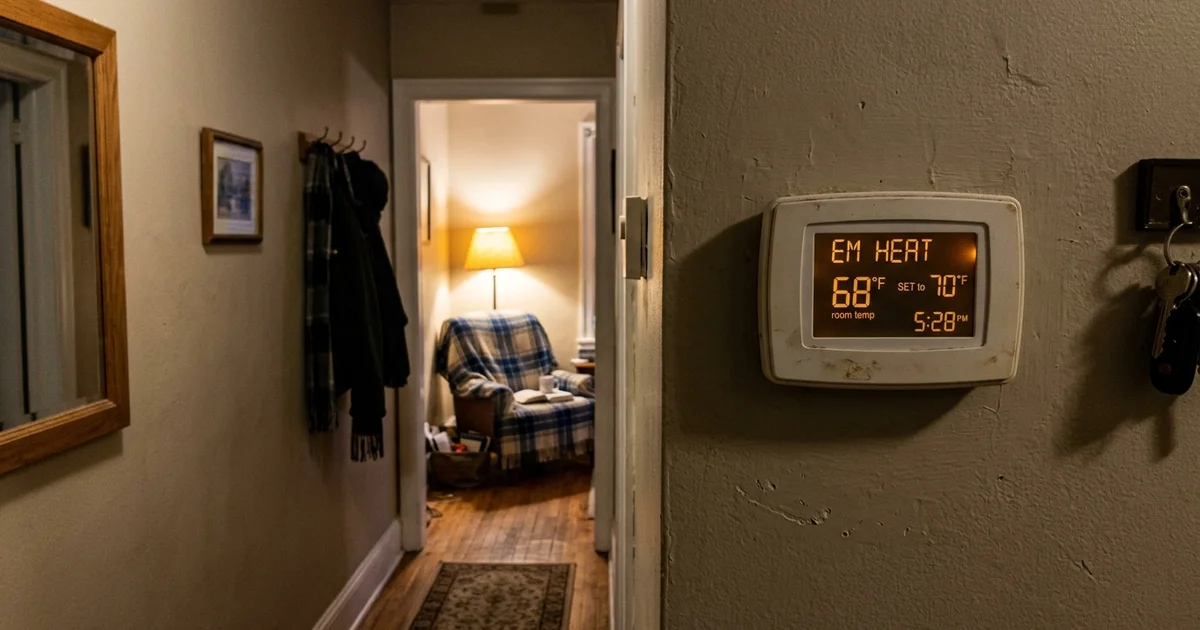
We know how frustrating a suddenly freezing house can be on a cold Eastern Shore morning. That is usually when people start pressing buttons and wondering about their heat pump emergency heat settings.
These modes are designed to keep you warm, but they operate very differently.
Let us look at exactly what these terms mean and how to keep your utility costs under control.
Two Settings That Sound the Same
Aux Heat and Emergency Heat both activate the electric resistance strips inside your air handler. The main difference is that Aux Heat comes on automatically to assist your system, while Emergency Heat is a manual override you select.
We hear from a lot of folks who think aux heat vs emergency heat is just a matter of semantics. A simple misunderstanding here can quickly drive up your monthly electricity costs.
If your unit is constantly relying on these backup strips during mild weather, it is probably time to look into heat pump repair. Smart thermostats from brands like Honeywell or Nest will display these alerts differently, but the underlying mechanics remain identical across the board.
Aux Heat: Automatic Backup
Auxiliary heat is an automated backup system that turns on alongside your primary heat pump when extra warmth is required. Your thermostat triggers this mode without any manual input from you.
We expect to see this setting activate under a few specific, normal conditions.
- The system enters a defrost cycle to melt ice off the outdoor coil and needs to prevent cold air from blowing inside.
- Outdoor temperatures drop near freezing, and the primary unit cannot maintain the indoor target alone.
- A homeowner raises the thermostat setting by more than two or three degrees at once.
On the Eastern Shore, a few mornings in the 30s will absolutely trigger this automatic response. Modern systems are engineered to use this backup sparingly.
Emergency Heat: Manual Override
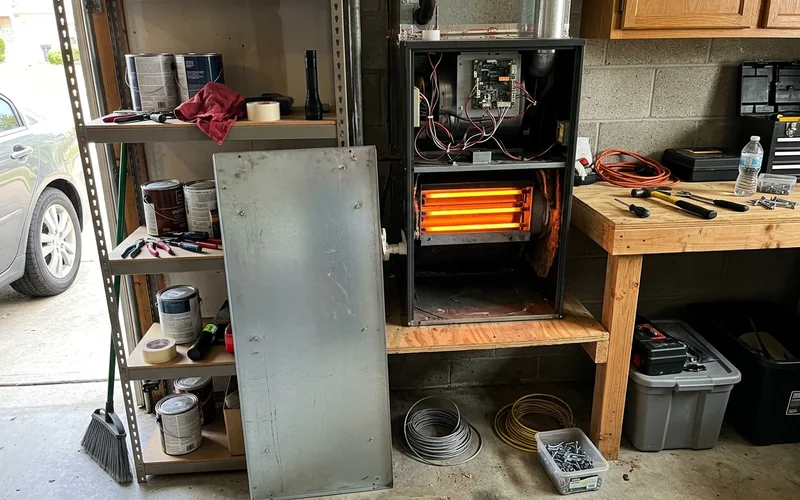
Emergency heat is a manual setting that completely disables the outdoor heat pump and relies solely on your electric backup strips for warmth. You should only use the em heat setting when the outdoor unit has completely failed.
We always advise keeping this mode turned off unless you have a true equipment breakdown. The electric strips draw a massive amount of power, often upwards of 15 kilowatts on a standard home system.
This setting is strictly a temporary lifeline to keep your pipes from freezing until a local HVAC contractor can inspect the unit.
| Aux heat | Emergency heat | |
|---|---|---|
| Turns on | Automatically | Manually |
| Heat pump running? | Yes | No |
| When it’s normal | Defrost, cold snaps, big setpoint jumps | Only when the heat pump has failed |
| Running cost | Higher while on | Highest |
Why It Spikes Your Bill
Running your system on backup strips directly converts electricity into heat, which requires significantly more energy than moving existing heat. A healthy heat pump typically delivers two to three units of thermal energy for every single unit of electricity it consumes.
We see winter bills skyrocket when a system gets stuck relying on these resistance coils. Electric strips operate at a one-to-one efficiency ratio, meaning they use up to three times more electricity to provide the exact same level of comfort.
According to general energy consumption data, running a 15kW heat strip continuously can cost upwards of two dollars an hour depending on current Alabama power rates. That adds up incredibly fast over a single cold weekend.
Signs Something’s Wrong
The most obvious sign of a problem is an auxiliary light that stays illuminated when outdoor temperatures are above 40°F. Your system should easily handle mild Daphne or Fairhope weather without any backup assistance.
We recommend watching for these specific red flags.
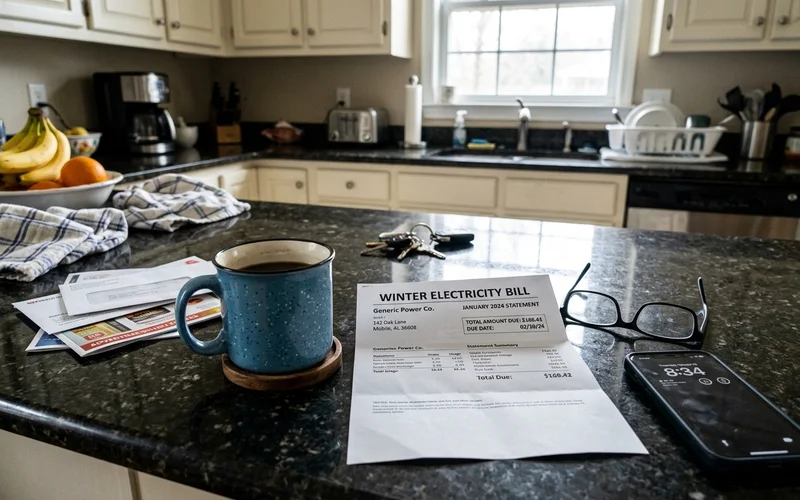
- Your monthly power bill is suddenly double what it was this time last year.
- The outdoor condenser fan is not spinning, but hot air is still blowing inside.
- The house feels drafty or struggles to reach the target temperature despite running constantly.
- Someone in the family accidentally switched the thermostat to EM heat.
These symptoms usually indicate a failed component, such as a bad reversing valve or a low refrigerant charge.
Thermostat Settings That Reduce Strip Use
You can minimize expensive backup heating by managing your thermostat efficiently and avoiding sudden, drastic temperature changes. A few simple adjustments will force the primary outdoor unit to do the heavy lifting.
We suggest implementing these best practices to optimize your daily efficiency.
- Avoid big setbacks. Dropping the target by 8 degrees at night and cranking it up in the morning forces the strips to activate. Keeping adjustments to just 2 or 3 degrees prevents this wasteful spike.
- Use a dedicated heat pump thermostat. Advanced models from Ecobee and Nest have specific algorithms that raise the home’s temperature gradually.
- Configure an aux heat lockout. The licensed contractors we connect you with can program your system to block the strips from turning on during mild days. An ideal lockout temperature for the Gulf Coast is typically around 35°F to 40°F.
Emergency Heat During a Power Restoration
Using the manual emergency override immediately after a winter power outage puts massive stress on the electrical grid. You should allow the standard heat pump mode to slowly warm the house instead.
We know it is tempting to blast the heat the second the lights come back on. Doing so pulls a huge electrical load right as utility companies are struggling to stabilize local transformers.
Give the system about 15 minutes to reset naturally. If the primary compressor refuses to start after a blackout, then you should activate the manual override and schedule a diagnostic visit.
What to Do
Switch to the manual emergency setting immediately if your outdoor unit is frozen solid or making loud grinding noises. Once the local HVAC contractor resolves the issue, you must remember to switch the thermostat back to standard heating.
We know replacing aging equipment is a big decision, so take a look at our guide covering a heat pump vs gas furnace for Eastern Shore homes. The licensed contractors we connect you with can help evaluate your current setup.
Call (251) 850-5502 to reach a fully insured professional serving your specific town. The estimate is free, and there is no referral fee.