
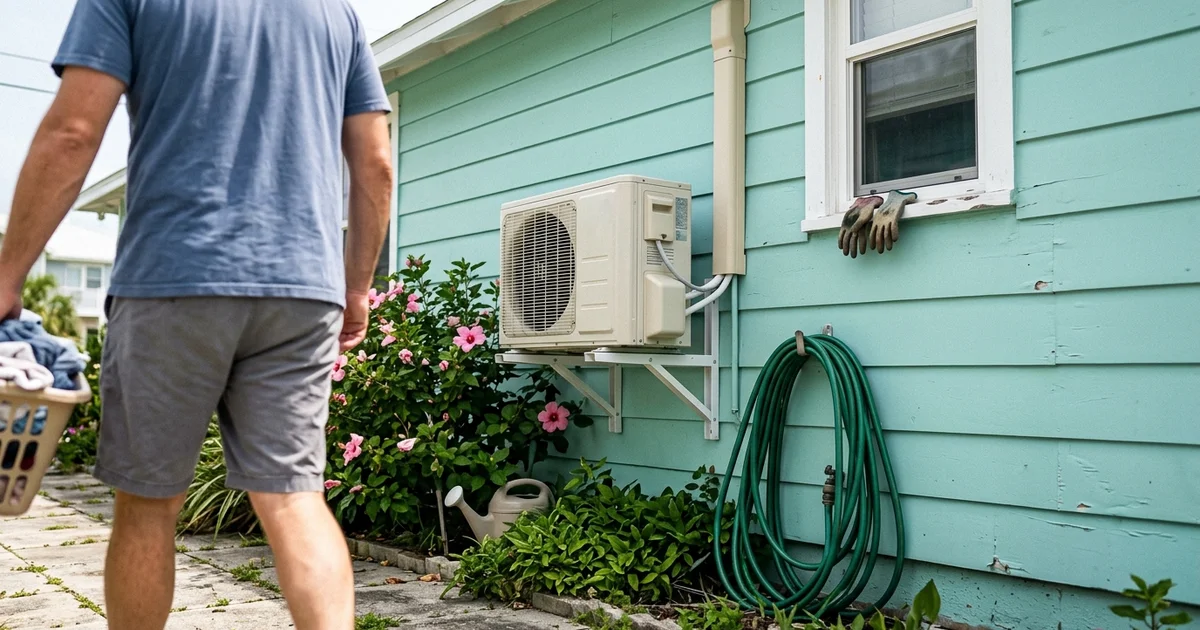
We know that cooling a stubborn room often comes down to choosing between extending central air ducts or going ductless.
The initial price tag on these standalone units can seem surprising if you only look at the equipment cost online. Our goal is to ensure you have accurate mini-split quotes and understand the real mini split installation cost Alabama homeowners face before making a decision.
The 2026 data for our region reveals exactly why some installations are higher than others.
Let’s examine the actual expenses involved in a professional setup. We break down these pricing factors to help you make a smart choice when your AC stops cooling.
What You’re Paying For
A complete installation includes the outdoor compressor, indoor air handlers, insulated line sets, and the dedicated electrical circuit. Labor accounts for a large portion of this total, as licensed technicians must carefully evacuate and charge the system.
Our compiled data shows that materials like insulated copper line sets can add $5 to $10 per linear foot. You will also pay for the condensate drain setup and any necessary mounting brackets.
About these numbers
These are general Alabama ranges for context, not our prices. Daphne AC Repair doesn’t set prices. Your contractor’s free estimate is the real number.
General Price Ranges
We share these local installation costs to give you realistic expectations before you call a technician. A standard single-zone system in the Baldwin County area currently runs between $2,500 and $5,000 fully installed.
This basic setup pairs one outdoor compressor with one indoor wall unit. We ensure the licensed contractors we connect you with can provide exact figures for a 12,000 BTU installation in this mini split price range. Multi-zone configurations require a heavier investment because they demand a larger outdoor condenser and longer refrigerant lines.
Estimated Costs by Zone Count
Our guide groups the estimates by zone count because it provides the clearest picture for budgeting.
| System Size | Average 2026 Installed Cost Range | Best Application |
|---|---|---|
| Single-zone | $2,500 to $5,000 | Sunrooms, garages, single bedrooms |
| Two-zone | $5,000 to $8,000 | Open living areas, small additions |
| Three-zone | $7,500 to $11,000 | Mid-size homes, entire floors |
| Four to five-zone | $10,000 to $15,000+ | Full home cooling replacements |
Premium equipment choices will naturally push these baseline numbers higher. Upgrading from a standard wall-mounted head to a flushed ceiling cassette adds both material and drywall labor costs to the final bill.
What Drives the Price
We always advise homeowners to look beyond the basic equipment price tag. Several specific factors determine exactly where your project falls on the cost spectrum.
Equipment and Sizing Factors
- Number of zones: Each additional indoor head requires more labor, wiring, and copper piping.
- Capacity (BTU): Larger spaces require more cooling power to overcome Alabama’s intense summer heat. Our guide to mini-splits for sunrooms explains why sunrooms need extra capacity to handle all that glass. A standard industry rule requires about 20 BTUs per square foot of living space.
- Efficiency Ratings (SEER2): Upgraded efficiency directly impacts your upfront quote. Alabama requires a minimum rating of 14.3 SEER2 for split systems, but highly efficient models pushing 18 SEER2 or more cost a premium.
- Indoor unit style: Wall-mounted heads remain the most affordable and widely available option. Ceiling cassettes, floor consoles, and concealed ducted units carry higher price tags due to their complex installation requirements.
Installation and Environmental Factors
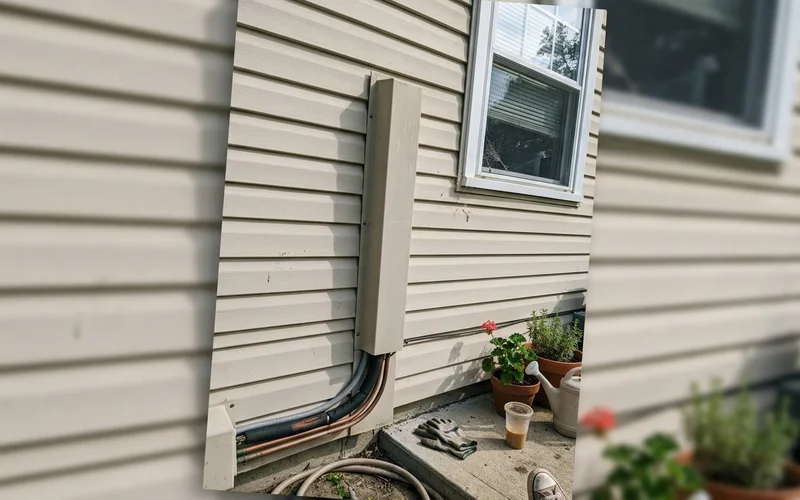
We highlight placement decisions because they severely impact the final labor bill. Short, straight line-set runs through a single exterior wall keep costs low. Routing those same lines through a hot attic requires significantly more time.
- Electrical work: Most systems demand a dedicated 220V circuit to operate safely. Panel upgrades add major expenses if your home lacks the existing capacity.
- Condensate drainage: Indoor units without a natural gravity drain path rely on a mechanical condensate pump. This small component adds both upfront cost and a potential future maintenance item.
- Coastal location: Homes near Mobile Bay face harsh salt air that quickly corrodes standard aluminum coils. The licensed contractors we connect you with highly recommend coastal-rated outdoor units treated with anti-corrosion coatings for maximum lifespan.
- Mounting: Condensers require stable bases to perform efficiently. Wall brackets, poured ground pads, or raised aluminum stands are necessary for flood-prone coastal properties.
| Cost factor | Lower cost | Higher cost |
|---|---|---|
| Zones | One | Three or more |
| Head type | Wall-mounted | Cassette or ducted |
| Line run | Short, through one wall | Long, through attic |
| Electrical | Existing capacity | New circuit or panel upgrade |
| Drain | Gravity drain | Condensate pump |
Operating Costs
We emphasize that the long-term energy savings often justify the initial setup expense. Mini-splits are among the most efficient systems available, featuring inverter compressors that gently slow down instead of abruptly cycling off.
Cooling one specific room with a ductless unit usually carries a lower overall ductless ac cost over time compared to overcooling the whole house. Alabama residents currently pay an average of 16.4 cents per kilowatt-hour for residential electricity as of late 2026.
Our compiled efficiency data indicates that switching a heavily used space to a dedicated ductless system can noticeably reduce your monthly utility burden. These modern units draw only the exact amount of power needed to maintain your set temperature.
Rebates
We always suggest researching utility incentives before signing a final contract, especially since the financial landscape changed dramatically recently. The popular 25C federal tax credit of $2,000 officially expired on December 31, 2025, meaning 2026 installations no longer qualify.
Our local area still benefits from excellent utility programs to offset your upfront costs. Alabama Power currently provides a substantial $1,000 rebate if you are switching from a gas furnace to a high-efficiency heat pump.
To qualify for this specific Alabama Power rebate, the new unit must act as the primary HVAC system and carry a rating of at least 18 SEER2. Always ask your local HVAC contractor to verify that the chosen model meets these strict local requirements.
Saving Money on a Ductless Install
We recommend several strategic choices that can drastically lower your final installation invoice. Careful planning prevents you from buying unnecessary equipment.
- Right-size each zone: Oversized heads cost more upfront and often short-cycle during operation. A proper Manual J load calculation keeps you from paying for cooling capacity you simply do not need.
- Keep line runs short: Placing the outdoor unit directly behind the indoor head cuts down on expensive copper materials and labor time.
- Group rooms carefully: Multi-zone condensers save outdoor space, but installing two separate single-zone systems can sometimes cost about the same. The dual setup also provides greater reliability if one unit fails.
- Insulate first: Sealing and insulating a hot Daphne bonus room allows you to install a much smaller, less expensive air handler.
- Ask about utility rebates: Check with Alabama Power or your local cooperative for active efficiency incentives on qualifying 18 SEER2 heat pump models.
Comparing Mini-Split vs Extending Ductwork
Many homeowners weigh the benefits of a ductless unit against tying into their existing central air. Extending standard ductwork currently costs an average of $25 to $55 per linear foot in 2026.
For a single isolated room, installing a new ductless unit often costs about the same as a major ductwork extension project. This standalone approach also entirely avoids overloading your central AC system.
Our process ensures the licensed contractors we connect you with will evaluate your current plenum to see if your main unit has spare capacity. Extending ducts becomes the cheaper route only when the target room sits directly next to an active trunk line.
We suggest having a professional price out both options side-by-side. Seeing the itemized material and labor differences allows you to compare the true value directly.
Get Your Estimate
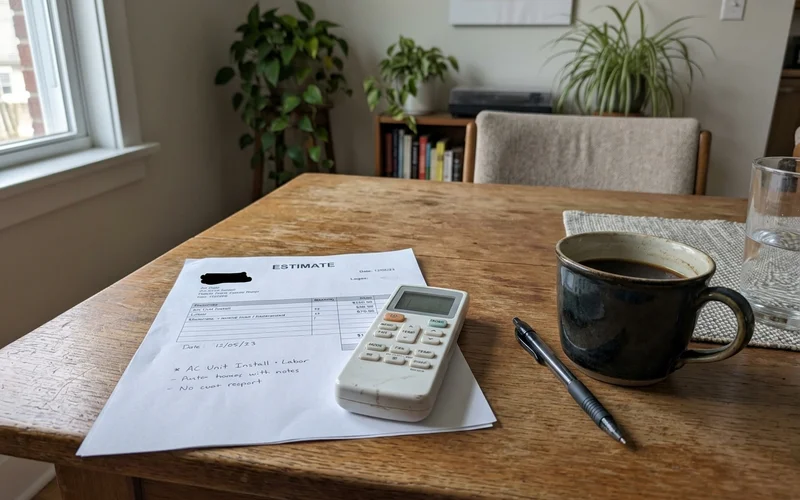
Our goal is to make finding the right cooling solution simple for Eastern Shore homeowners. Call (251) 850-5502 or get a free estimate by requesting a callback through our site.
Be prepared to provide your name, phone number, email address, town, and a brief problem description on the contact form.
The licensed contractors we connect you with will inspect the space, size the system perfectly, and give you a detailed written price. We know that taking action today ensures your home stays comfortable through the hottest months.