
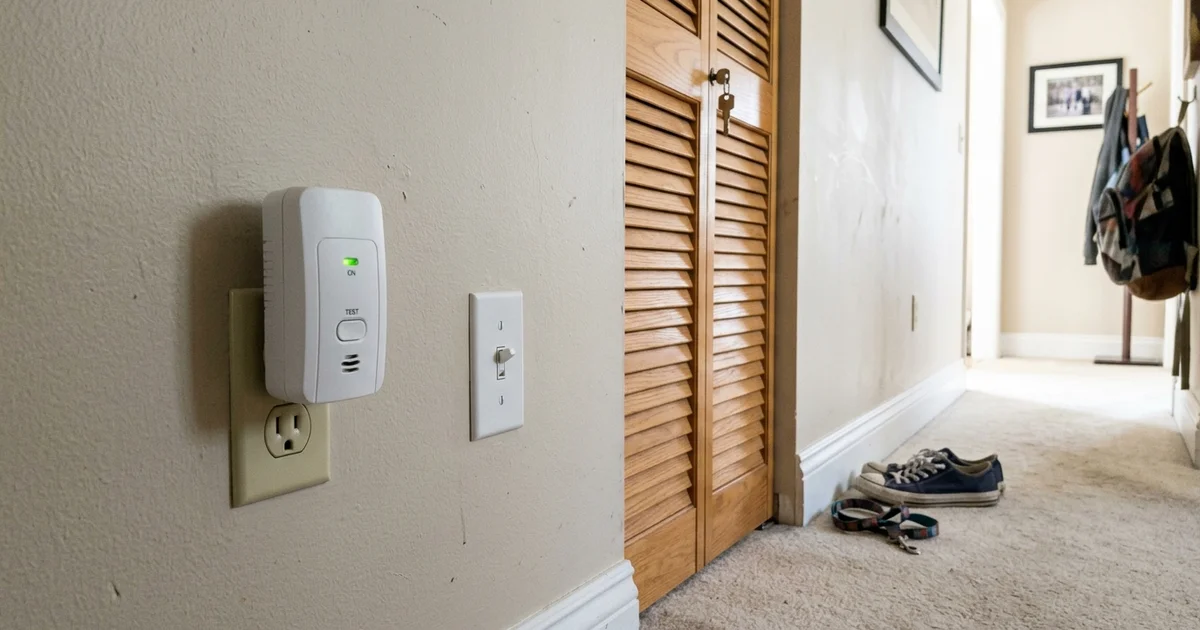
Why Furnace Safety Matters
Many Eastern Shore homeowners know the quiet anxiety of turning on a dormant heating system during that first November cold snap. According to 2026 CDC data, accidental carbon monoxide poisoning still sends over 100,000 Americans to the emergency room every year.
We want to make sure your home never becomes part of that statistic.
A gas furnace burns fuel right inside your living space to create heat. The combustion gases normally travel safely up the vent and outside when the equipment operates correctly.
Our advice is to never take that safe venting process for granted. Several common failures can trap exhaust gases indoors:
- Blocked outdoor exhaust vents
- Cracked internal heat exchangers
Invisible, odorless carbon monoxide can then be forced back into your rooms. We stress that this silent threat is exactly why a yearly furnace safety check is so critical. Act immediately during any indoor air emergency.
If a CO alarm sounds
Get everyone, including pets, outside into fresh air. Call 911 or the fire department. Don’t go back in until responders say it’s safe. Then have the furnace inspected before using it again.
Carbon Monoxide Symptoms
Identifying a carbon monoxide leak quickly requires knowing how the human body reacts to the gas. The initial symptoms often mimic a winter cold or a mild case of the flu.
We see homeowners dismiss these physical warnings far too often. At sustained indoor levels of 200 parts per million (ppm), residents will typically experience negative health effects within just two hours. Pay close attention to these common physiological warning signs:
- Headache
- Dizziness or lightheadedness
- Nausea or vomiting
- Fatigue and weakness
- Confusion
- Shortness of breath
Our recommended strategy is to look for environmental clues that point to CO rather than a simple virus. A major red flag appears when several people or pets feel sick at the exact same time. Symptoms that fade when you leave the house and return when the heat is running clearly indicate a serious atmospheric problem.
Detectors: Your First Line of Defense
We consider a high-quality carbon monoxide alarm to be the ultimate barrier between your family and a silent hazard. You should install CO detectors outside each sleeping area and on every single level of the home. A smart practice is to verify that your specific devices meet the UL 2034 safety standard.
Our guidance highlights this certification because it ensures the alarm sounds before the gas reaches a level that impairs human reaction times. Combination smoke and CO alarms work perfectly fine for residential monitoring purposes. Keep your devices perfectly maintained with a few simple steps:
- Test the units monthly.
- Swap out the batteries at least once a year.
- Keep the outer casing free of dust.
We strongly suggest replacing the entire detector unit every five to ten years based on the manufacturer timeline. An outdated sensor loses its sensitivity over time. Fresh equipment guarantees the alarm remains highly responsive during severe winter storms.
The Cracked Heat Exchanger
We know the heat exchanger is a crucial metal barrier inside your central heating system. This component separates the actual burner flames and toxic exhaust from the clean air circulating through your vents. Years of expanding and contracting from intense heat will eventually cause this rigid metal to crack.
Our concern is that once a crack forms, dangerous exhaust fumes can easily mix with your household air. Watch for these physical signs of a failing internal heat exchanger:
- Soot around the burners or furnace cabinet.
- A yellow, flickering flame instead of a steady blue one.
- A CO detector alarming when the furnace runs.
- Rust or corrosion inside the cabinet.
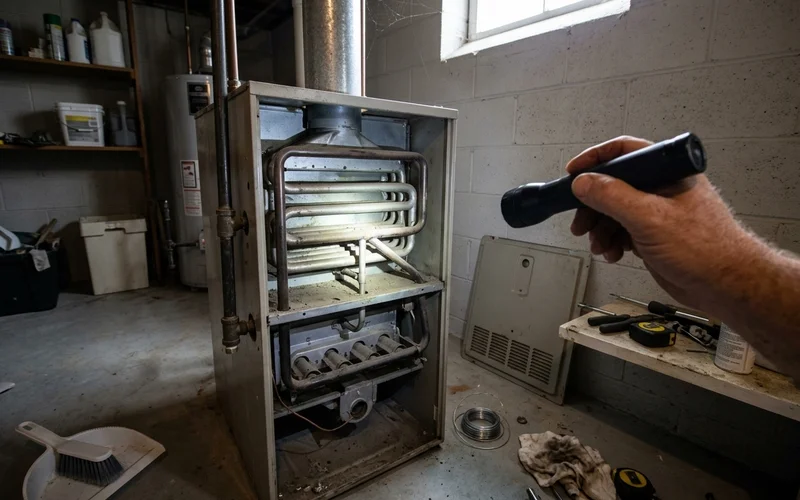
Fixing this specific internal part is rarely a cost-effective decision for a property owner. Replacing a furnace heat exchanger in 2026 typically costs between $1,500 and $3,500 for parts and labor. A steep replacement price tag like that usually makes a full system upgrade the smarter financial choice. Never run a heating system that the licensed contractors we connect you with have flagged as unsafe.
What an Annual Safety Check Covers
We believe preventive maintenance is the absolute best defense against winter breakdowns and dangerous gas leaks. The national average cost for a professional furnace inspection in 2026 runs between $100 and $150. A thorough check provides absolute peace of mind before the freezing weather arrives.
We arrange for your local HVAC contractor to perform a comprehensive evaluation of the heating equipment. A qualified technician uses specialized tools like a combustion analyzer to guarantee everything operates safely. Every standard safety visit focuses on several critical operational areas.
| Check | Why |
|---|---|
| Heat exchanger inspection | Cracks can leak exhaust |
| Vent and flue | Blockages and loose joints |
| Burners and flame | Clean, steady combustion |
| Gas pressure and valve | Correct, safe fuel supply |
| Flame sensor and igniter | Reliable ignition |
| Safety switches | Limit, rollout and pressure switches work |
| CO test | Measures exhaust and ambient CO |
Idle Furnaces in a Humid Climate
We realize that Eastern Shore furnaces often sit completely unused from March all the way to December. Average fall humidity in coastal Alabama easily hovers around 70 to 75 percent. Heavy moisture wreaks havoc on idle internal metal components in several ways:
- Corroding sensitive flame sensors
- Rusting the heat exchanger exterior
- Encouraging spider webs inside burner orifices
We strongly advise booking a thorough fall check before the first cold snap to catch these hidden issues. You can read exactly why a furnace won’t ignite to understand common startup failures. Proper preparation stops those frustrating morning breakdowns.
Other CO Sources to Keep in Mind
We want you to be aware that your central heating system is not the only potential source of carbon monoxide. Any appliance that burns combustible fuel carries a similar risk if it malfunctions or lacks proper ventilation. Storm season power outages create especially hazardous conditions along the Gulf Coast.
We highlight these other common gas-producing culprits:
- Gas water heaters, which share similar venting concerns.
- Gas ranges and ovens, especially if used to heat a room.
- Attached garages with a car or generator running.
- Portable generators used too close to doors, windows or vents during outages. This is a real risk on the Gulf Coast after storms. Keep generators outside and well away from the house.
- Fireplaces with blocked chimneys.
The Consumer Product Safety Commission and OSHA require keeping portable generators at least 20 feet away from the house. Exhaust must be directed away from all doors, windows, and intake vents during a localized blackout.
We remind everyone that portable units cause roughly 40% of all consumer-product CO fatalities. First responders have the proper diagnostic equipment to safely locate the exact cause of an indoor leak. Get everyone out immediately if an alarm sounds, regardless of the suspected source.
What Good Venting Looks Like
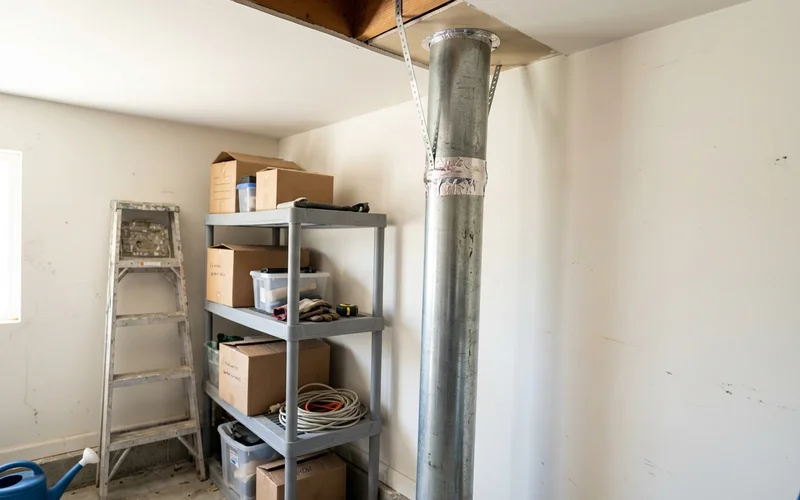
We encourage homeowners to perform a basic visual inspection of their exhaust piping to spot obvious structural red flags. Proper venting removes toxic gases from the home quickly and efficiently. Standard gas models use metal flues, while high-efficiency condensing furnaces utilize white plastic Schedule 40 PVC pipes, usually two or three inches in diameter.
We suggest verifying that all piping is structurally sound by checking a few details:
- Firm connections with no gaps
- Straight lines without sagging sections
- Correct sloping for condensation drainage
An outdoor vent termination must be completely clear of leaves, bird nests, and storm debris. Regular visual checks catch minor issues before they escalate.
We suggest inspecting the area immediately surrounding the equipment for physical warning signs. Shut the system down immediately if you spot soot around the cabinet, water stains near the pipe, or loose connections. Wait until a local professional inspects the setup before turning the thermostat up again.
Book a Check
We make it simple to get your heating system ready for a safe, comfortable winter. Securing a professional safety inspection is the easiest way to protect a household. Calling (251) 850-5502 puts you directly in touch with reliable local help.
We will connect you with a licensed, insured contractor who works on gas furnaces across the Eastern Shore. Every local service call starts with a thorough operational diagnostic process. A clear, upfront free estimate is provided before any repair work begins.
We look forward to helping you protect your property this season. Call today to schedule your annual appointment.